The average rodent infestation goes undetected for three to six months before a homeowner notices the first signs — and by that point, the damage is already significant. Rats and mice can produce 50 to 80 droppings per day, and a colony nesting in your attic for half a year leaves behind pounds of waste embedded in insulation, on wood surfaces, and along electrical wiring. The cleanup cost for that level of contamination is substantially different from addressing a minor, recently discovered problem. In cities like Atlanta, where year-round warmth supports persistent rodent populations, understanding what drives these costs helps you evaluate quotes with confidence.
There are 36 attic cleaning companies in Atlanta with an average rating of 4.8 stars.Base Cleanup vs. Full Restoration
Rodent cleanup costs fall into two broad categories, and the distinction matters when you're comparing estimates.
Partial cleanup addresses only the visibly affected areas. This typically involves removing contaminated insulation from the zones where nesting and heavy droppings are concentrated, sanitizing those areas, and installing replacement insulation in the treated sections. Partial cleanup costs generally range from $800 to $2,500, depending on how much of the attic is affected.
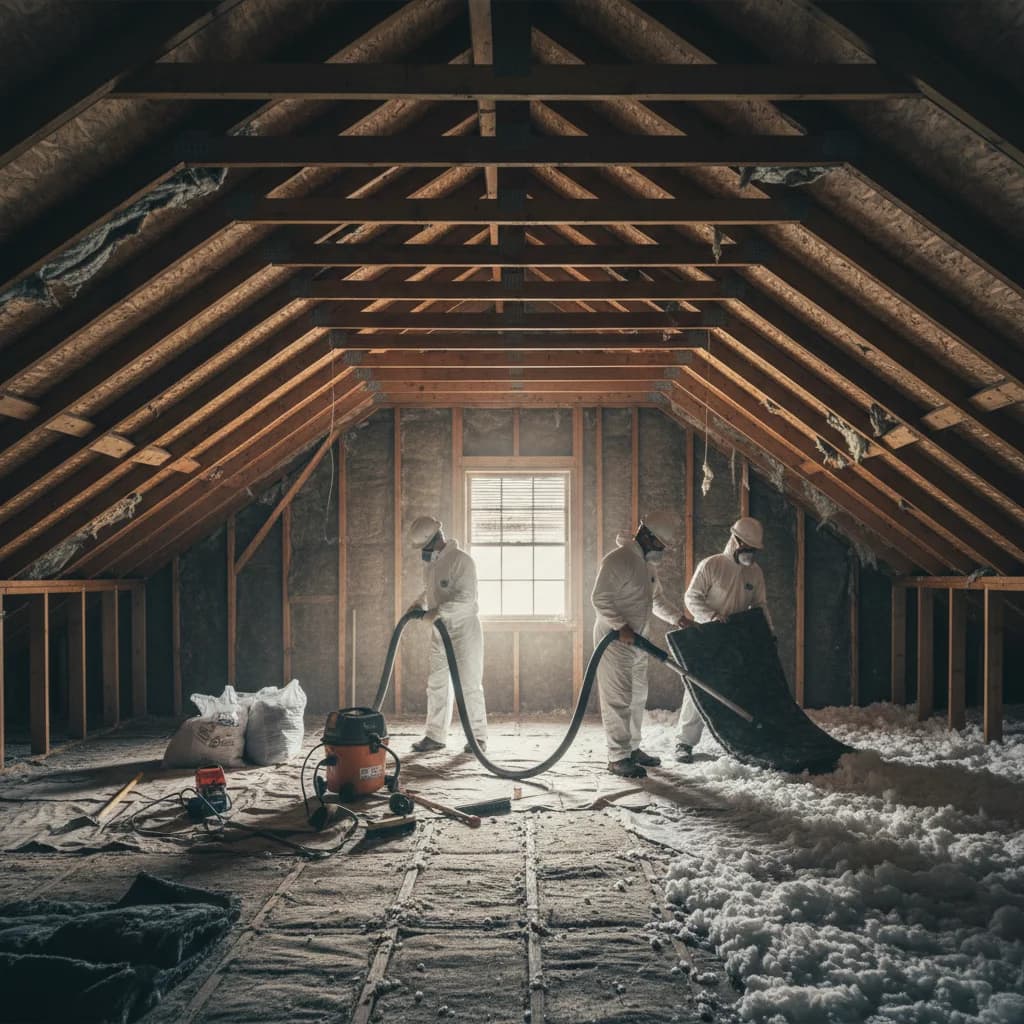
Full attic restoration treats the entire space. Because rodent urine spreads through insulation fibers well beyond the visible nesting areas, many professionals recommend removing all insulation, sanitizing the full attic floor, performing air sealing, and installing fresh insulation throughout. Full restoration typically costs $2,500 to $6,000 for a standard residential attic.
In Atlanta, where older homes with accessible rooflines and mature tree canopies create ideal conditions for roof rat and squirrel infestations, full restoration is the more common scope of work. The warm, humid climate also means contaminated insulation degrades faster, making partial treatment less effective over time.
Breakdown of Service Components
Understanding what you're paying for helps you compare quotes accurately. A complete rodent cleanup involves several distinct services, each with its own cost range.
| Service Component | Typical Cost Range | Description |
|---|---|---|
| Inspection and assessment | $0–$200 | Many companies offer free inspections; others charge a fee credited toward the work |
| Rodent trapping and removal | $200–$500 | Setting and monitoring traps over 1-2 weeks to clear active animals |
| Exclusion (sealing entry points) | $300–$1,500 | Steel mesh, metal flashing, and sealant to close all access points |
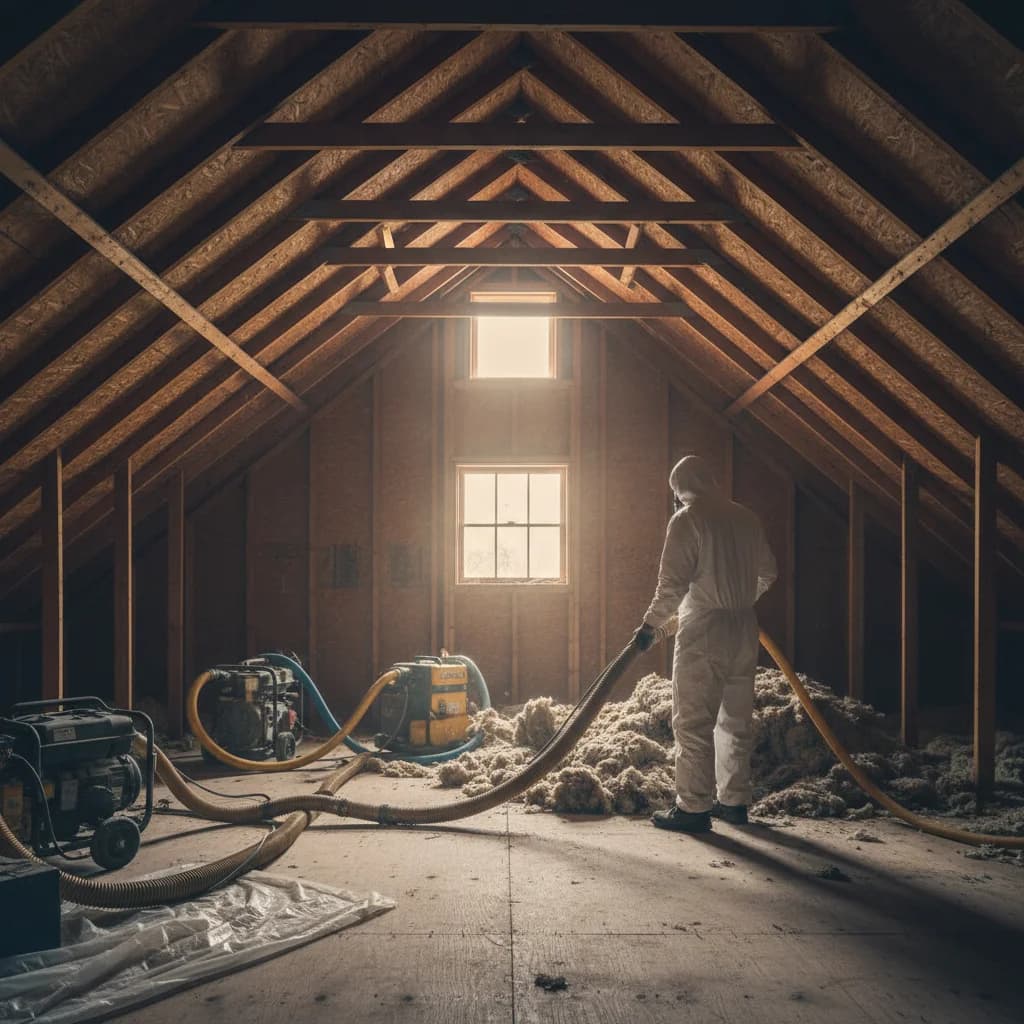
| Insulation removal | $1,000–$2,500 | Industrial vacuum removal of contaminated blown-in or batt insulation |
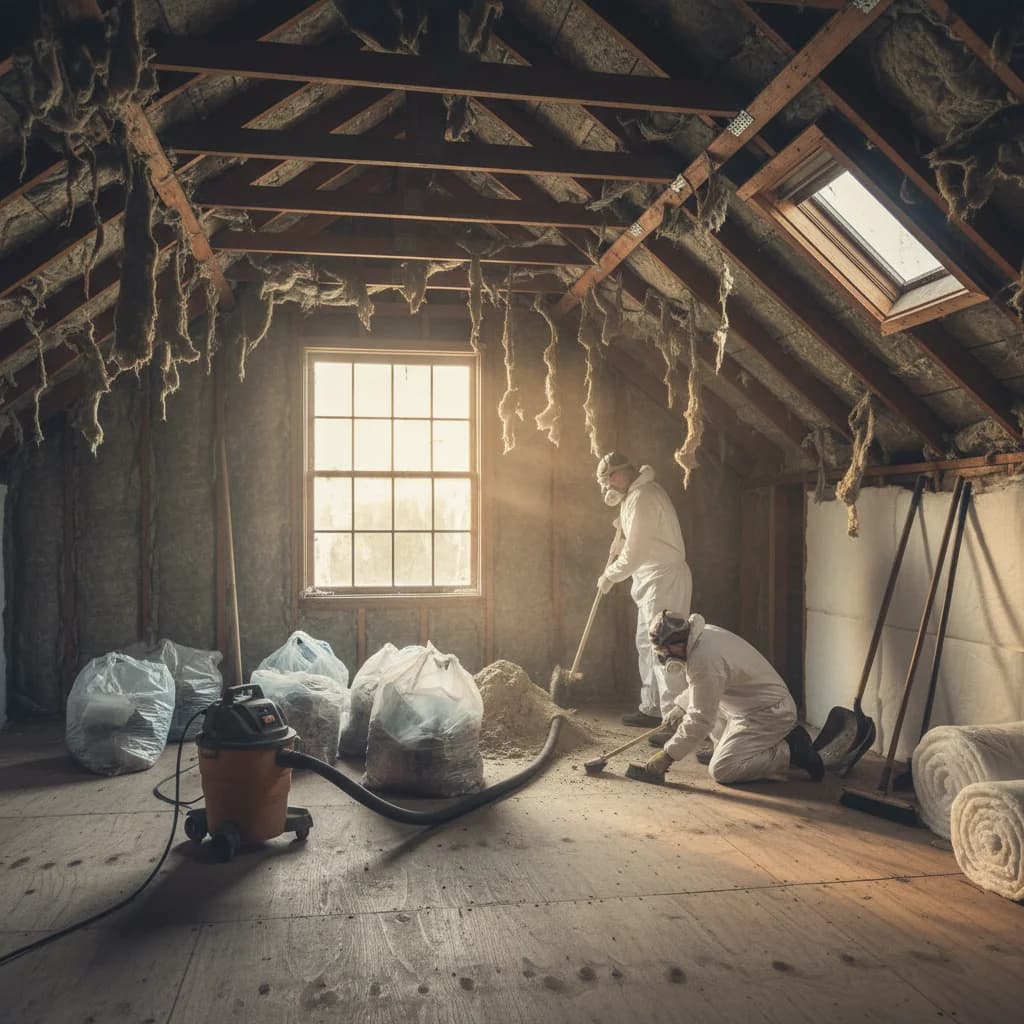
| Sanitization and decontamination | $300–$800 | HEPA vacuuming, antimicrobial treatment, and enzyme-based odor neutralization |
| New insulation installation | $1,000–$3,000 | Blown-in fiberglass or cellulose to current R-value standards |
Some companies quote these services individually while others provide a bundled package price. Either approach is valid, but you should be able to see each component's contribution to the total so you know exactly what's included.
Factors That Increase Cost
Several variables push rodent cleanup costs toward the higher end of the range.
Infestation severity is the biggest driver. A minor infestation limited to one corner of the attic is far less expensive to address than a widespread problem where rodents have nested throughout the space for months. Heavy contamination requires more insulation removal, more extensive sanitization, and often more exclusion work because established colonies tend to create multiple entry points.
Attic size and layout determine labor hours. A 700-square-foot attic with good headroom is quicker and cheaper to service than a 2,000-square-foot attic with low clearance, multiple levels, or obstructed access. Homes in San Antonio — where ranch-style floor plans with sprawling, single-story attics are common — often have larger attic footprints that increase material and labor costs accordingly.
Exclusion complexity affects pricing significantly. Sealing a few obvious gaps around roof vents costs far less than systematically closing dozens of entry points along a roofline with architectural gaps, overhanging eaves, and utility penetrations. Quality exclusion work uses materials that rodents cannot chew through — primarily galvanized steel mesh, sheet metal, and concrete — and the material and labor cost reflects this durability.
Structural damage repair adds to the total when rodents have chewed through wiring, damaged ductwork, or compromised structural members. Electricians, HVAC technicians, or carpenters may need to address these issues separately, adding $200 to $2,000 depending on the extent of the damage.
Insurance and Warranty Considerations
Homeowner's insurance policies rarely cover rodent damage. Most standard policies explicitly exclude damage caused by rodents, birds, and insects because these are classified as maintenance issues rather than sudden, accidental events. This means the full cost of cleanup and restoration typically comes out of pocket.
However, there are exceptions worth investigating. If a rodent-caused electrical fire damages your attic, the fire damage itself is generally covered even though the rodent activity that caused it is not. Similarly, if rodent damage leads to a plumbing leak that causes water damage, the secondary water damage may be covered. Review your policy carefully and contact your insurer with specific questions about your situation.
On the warranty side, reputable cleanup companies should guarantee their exclusion work for at least one year, with many offering two to five years. This warranty ensures that if rodents re-enter through a sealed access point, the company will return to address it at no additional cost. In Nashville, where seasonal rodent pressure is high, a strong exclusion warranty provides meaningful protection and peace of mind. For a detailed guide on what effective exclusion work involves, see our article on how to rodent-proof your attic after cleanup.
Getting Fair Estimates
The best way to ensure fair pricing is to get multiple in-person estimates from licensed professionals. Phone or online quotes based solely on square footage cannot account for contamination severity, accessibility, or the number of entry points that need sealing.
When comparing proposals, ask each company these questions:
- Do you perform a full attic inspection before quoting, or estimate based on partial assessment?
- Is sanitization included, and what products do you use?
- What materials do you use for exclusion work, and how long is the warranty?
- Does the price include disposal of contaminated insulation?
- Do you install new insulation, and if so, what type and R-value?
- Will you provide before-and-after documentation with photos?
A company that answers these questions clearly and provides a detailed, itemized proposal is far more likely to deliver quality work than one that offers a quick verbal estimate. For a complete overview of the cleanup process and what to expect at each stage, our complete guide to attic rodent cleanup walks through every step in detail.