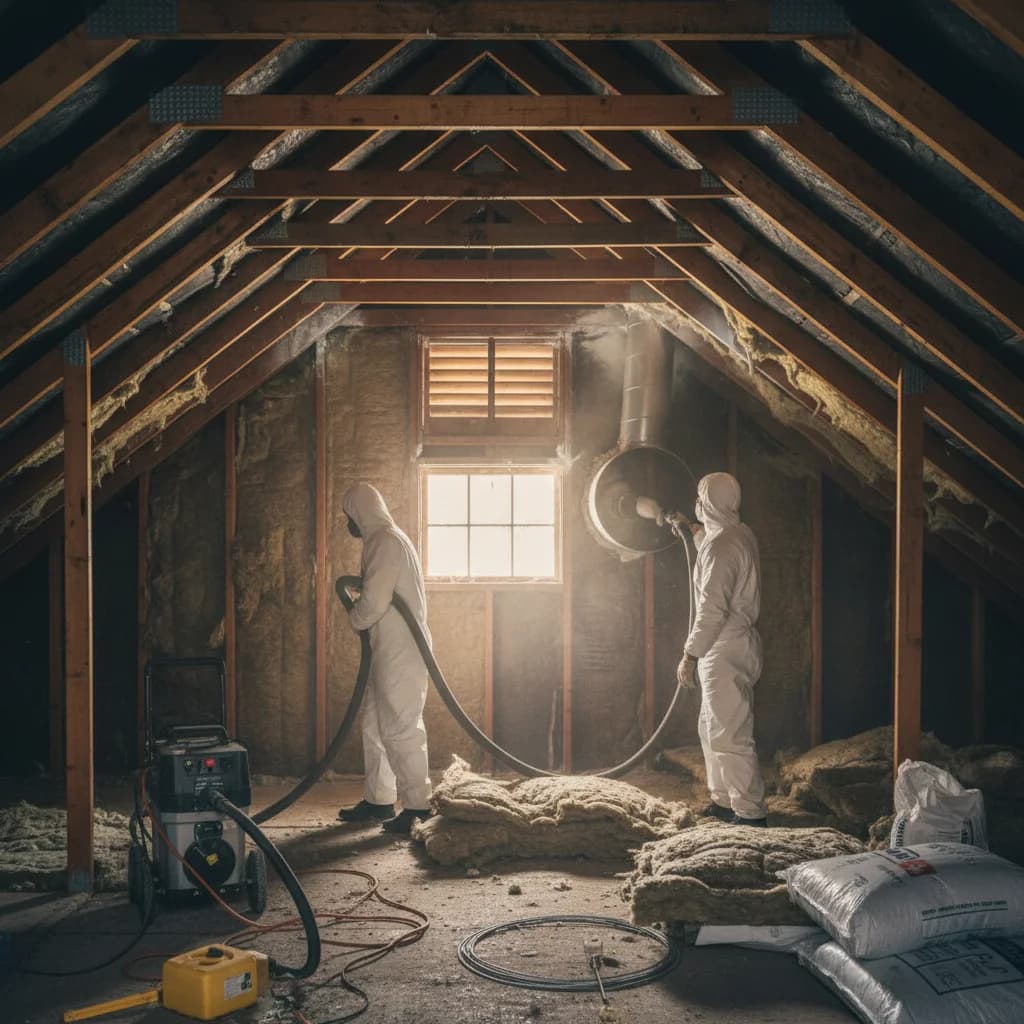
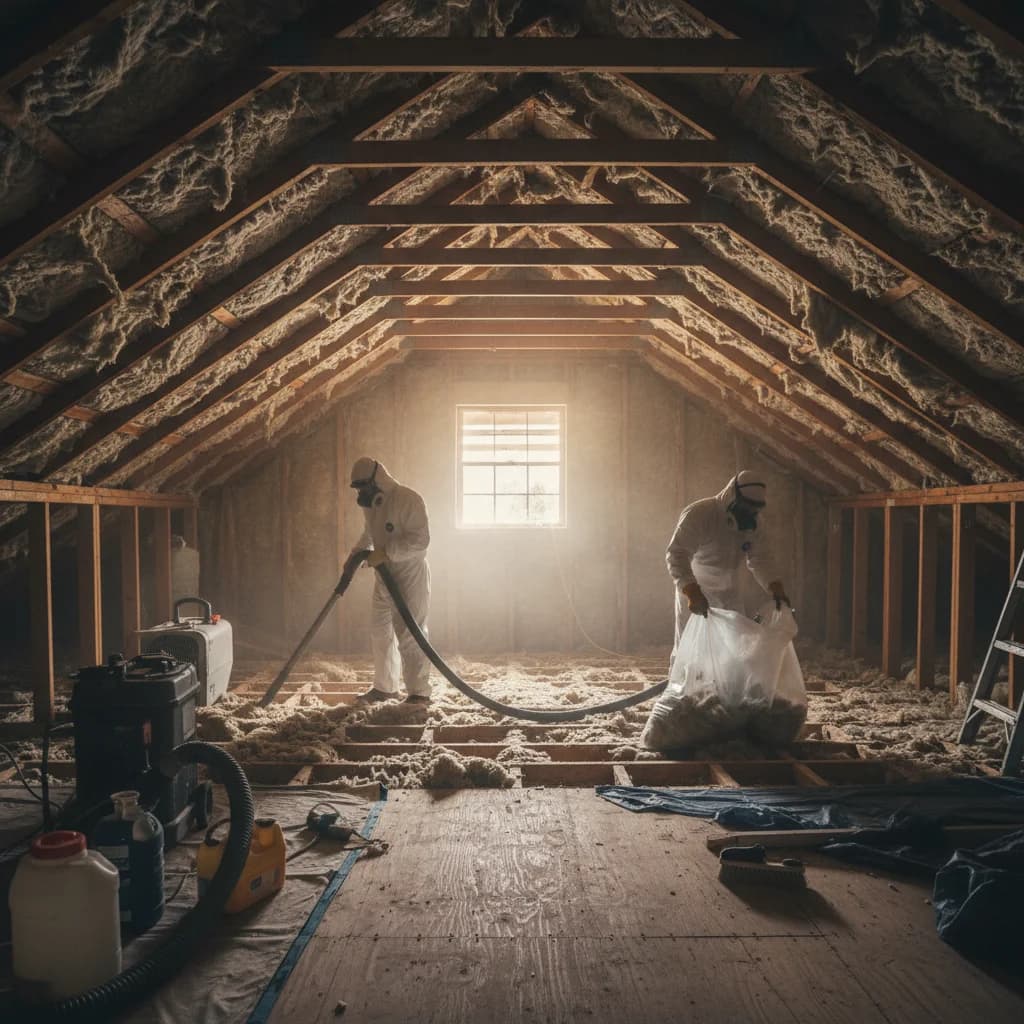
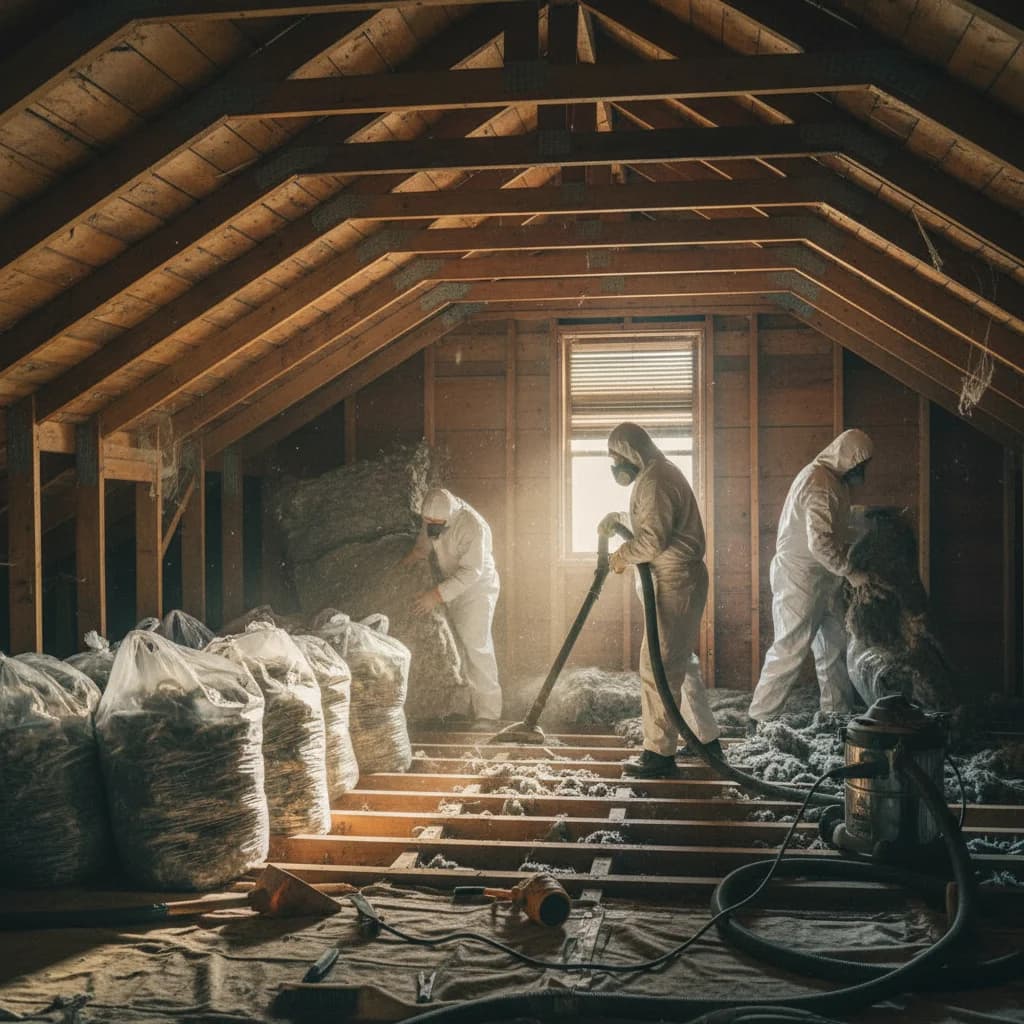
Cleaning up after a rodent infestation is only half the battle. Without proper exclusion work, rats, mice, and squirrels will find their way back into your attic within weeks — often through the exact same entry points. Effective rodent-proofing is what transforms a temporary fix into a permanent solution. In San Antonio, where roof rats are particularly active due to the warm climate and abundant tree cover, exclusion work is an essential companion to any attic rodent cleanup.
There are 36 attic cleaning companies in San Antonio with an average rating of 4.7 stars.Why Rodents Keep Coming Back
Rodents return to previously infested attics because the scent trails they leave behind act as a homing signal for other rodents. Urine markings, pheromones, and grease deposits along their travel paths essentially advertise "This way to shelter and food." Even after professional cleanup and sanitization, the exterior entry points remain unless they're specifically identified and sealed.
A single mouse can squeeze through a gap the size of a dime. Rats need only a half-inch opening. That means every crack, gap, and hole along your roofline, soffits, and foundation is a potential entry point.
Common Entry Points
Professional exclusion work targets these typical access points:
- Roof-to-wall junctions — Where the roof meets exterior walls, gaps often form as materials expand and contract with temperature changes
- Soffit gaps — Damaged or poorly fitted soffit panels create openings that rodents exploit
- Utility penetrations — Holes drilled for electrical, plumbing, HVAC, and cable lines are rarely sealed completely
- Plumbing vents — The pipe stacks that protrude through your roof can have gaps around their base flashing
- Gable vents — Decorative gable vents with damaged or missing screens are a primary entry point
- Roof vents and turbines — Worn seals or missing screens around ridge vents, box vents, and turbine vents
- Chimney gaps — The junction between chimney and roof is a common weak point
In older homes in Indianapolis and Columbus, decades of settling and material deterioration create numerous entry points that weren't present when the home was built.
Professional Exclusion Materials
Effective rodent exclusion uses materials that rodents can't chew through or push past:
- Galvanized steel mesh (hardware cloth) — 1/4-inch mesh is the standard for covering vents and larger openings while maintaining airflow
- Sheet metal flashing — Used to seal gaps along roof edges and around utility penetrations
- Metal kick plates — Installed at the base of doors and garage entries
- Steel wool combined with caulk — For small gaps and cracks, steel wool packed into the opening and sealed with exterior-grade caulk creates a chew-resistant barrier
- Concrete and mortar — For filling gaps in foundations and masonry
- Expanding foam with rodent-resistant additives — Some professional-grade foams contain bitter agents that deter chewing, though foam alone is not sufficient for determined rodents
Standard hardware store products like spray foam, wood filler, and plastic vent covers won't stop rodents. They chew through these materials in minutes.
The Exclusion Process
A thorough exclusion typically involves:
- Full exterior inspection — Walking the entire roofline, checking every soffit panel, examining all utility penetrations, and inspecting the foundation
- Entry point documentation — Photographing and mapping every identified gap or opening
- Sealing work — Systematically closing each entry point using appropriate materials, starting from the roof and working down
- Ventilation preservation — Ensuring that sealed areas still allow proper attic airflow by using mesh screens rather than solid patches
- Tree and vegetation trimming — Cutting back branches within 6-8 feet of the roofline to eliminate aerial access routes
The entire process takes 4-8 hours for a typical home and is best performed by technicians who understand both construction and rodent behavior.
DIY vs. Professional Exclusion
While homeowners can handle some basic exclusion tasks — caulking visible gaps, installing vent screens — comprehensive rodent-proofing is generally best left to professionals. The critical difference is thoroughness. Professionals know where to look for non-obvious entry points that homeowners typically miss, like gaps behind gutter lines, unsealed HVAC chase openings, and deteriorated seals around rooftop equipment.
Most professional exclusion work comes with a warranty — typically one to two years — guaranteeing that if rodents re-enter through a sealed point, the company will address it at no additional cost.
Ongoing Prevention
After exclusion work is complete, maintain your rodent-proof attic with these habits:
- Inspect the exterior of your home twice yearly, particularly before fall when rodents seek winter shelter
- Keep tree branches trimmed at least 6 feet from your roofline
- Store firewood, lumber, and debris away from the house
- Address any new gaps immediately — settling, storms, and woodpecker damage can create new entry points
- Consider a monitoring program with your exclusion company for early detection
For a detailed season-by-season breakdown of which pests target attics at different times of year and the specific prevention steps for each, see our seasonal attic pest prevention guide.