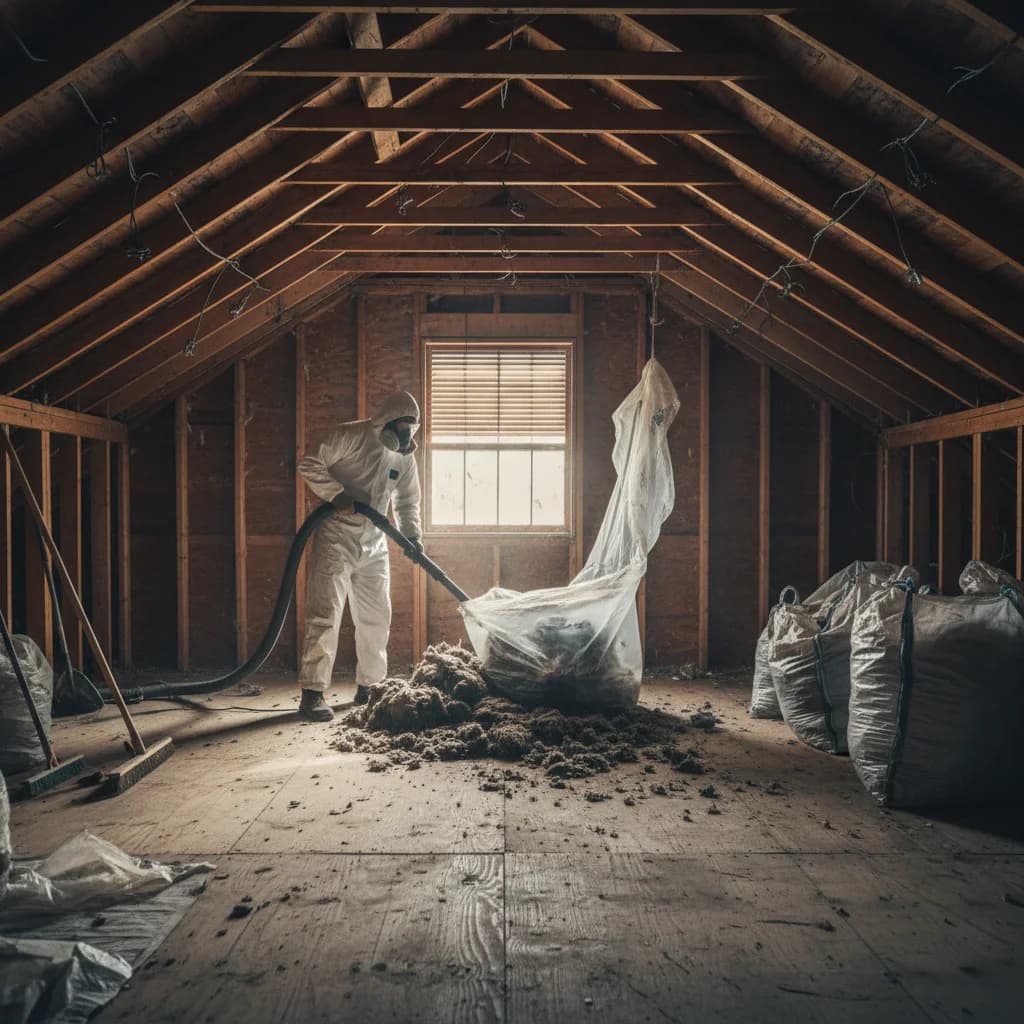
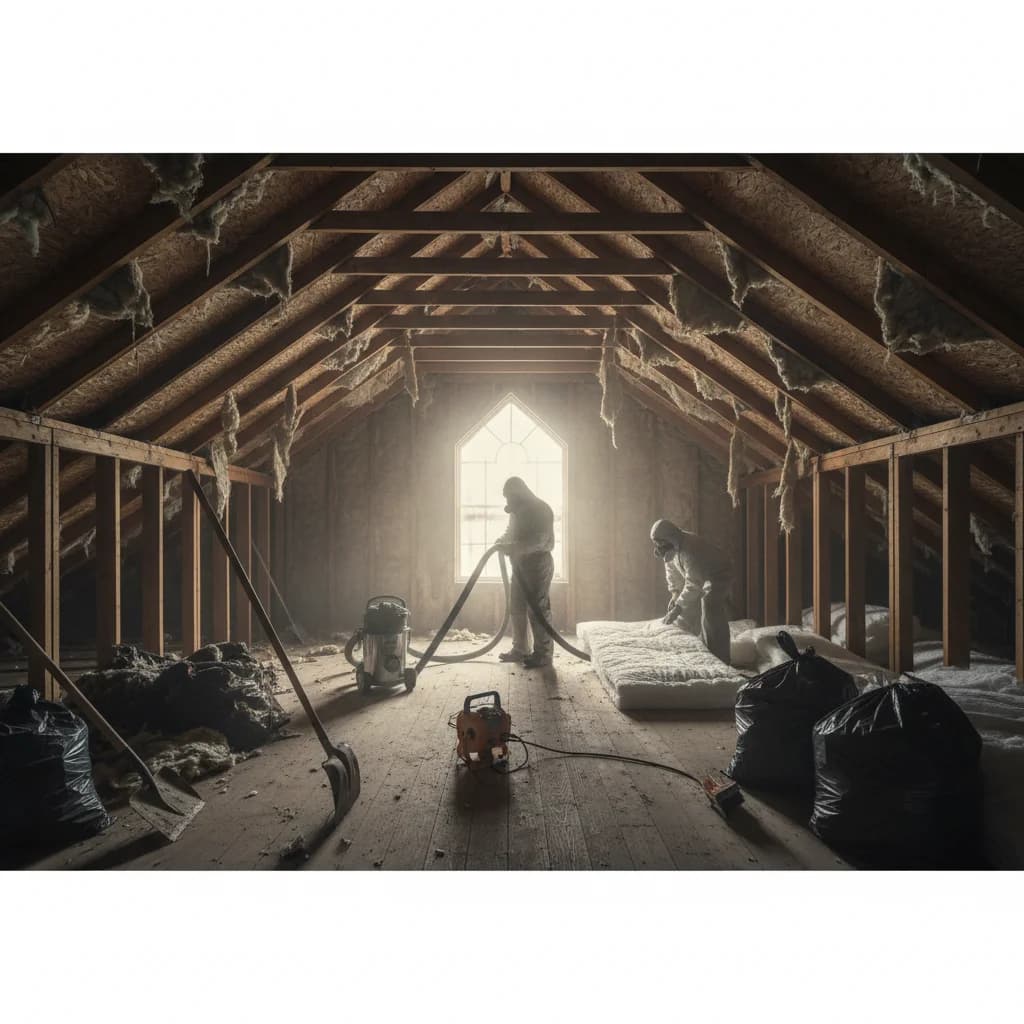
You head up to the attic on a Saturday morning to grab some holiday decorations and notice a strange smell, scattered debris, and insulation that looks matted and discolored. Your first instinct might be to grab some trash bags and start cleaning it up yourself. That impulse is understandable — but depending on what you're dealing with, it could put your health at serious risk. Knowing which attic tasks are safe to handle on your own and which ones demand professional intervention is the difference between a productive weekend project and a costly mistake. Homeowners in Austin deal with this decision often, as the region's heat, humidity, and active wildlife populations create attic conditions that deteriorate faster than in milder climates.
There are 50 attic cleaning companies in Austin with an average rating of 4.7 stars.What You Can Safely DIY
There are several attic maintenance tasks that most homeowners can handle without professional help, as long as basic safety precautions are followed. Light cleaning — sweeping up dust, removing cobwebs, and organizing stored items — requires nothing more than a dust mask, gloves, and adequate lighting. If your attic has a solid floor or walkable surfaces, a basic tidying session is low-risk.
Visual inspections are another task well within DIY territory. Walking your attic periodically to check for daylight coming through the roof, signs of water staining, or obvious pest entry points helps you catch problems early. You can also check that insulation is evenly distributed and hasn't been disturbed.
Simple storage organization — adding shelving, laying plywood over joists for walkways, or rearranging boxes — is safe for anyone comfortable working in a cramped space. The key is to always step on joists or supported surfaces, never on the drywall between them. Replacing weather stripping around the attic hatch or adding an insulation cover to a pull-down stair are also straightforward improvements that don't require specialized tools.
Where Professionals Become Essential
The line between DIY and professional territory is drawn at contamination, hazardous materials, and any situation requiring industrial equipment. If your attic has animal droppings, urine staining, or nesting materials, you're looking at a biohazard cleanup that requires proper containment and disposal — not a weekend project with a shop vacuum.
Mold covering more than a few square feet of surface area needs professional remediation. Attic mold releases spores that become airborne during disturbance, and without proper containment and HEPA filtration, a DIY cleanup attempt can spread contamination throughout your home's ductwork and living spaces. For a complete overview of how professionals handle mold situations, see our guide on attic mold remediation.
Insulation removal is another task that belongs firmly in the professional column. Disturbing old insulation — particularly in homes built before 1980 — can release asbestos fibers, fiberglass particles, and accumulated contaminants. Professional crews use truck-mounted vacuum systems with HEPA filtration that contain and remove material without exposing anyone in the home. In San Diego, where many homes from the 1960s and 1970s still have original insulation, this is an especially common situation.
The Equipment Gap
One of the biggest reasons professional attic work costs what it does is equipment. A professional attic cleaning crew brings tools that aren't available at hardware stores and aren't practical for a homeowner to rent for a single project.
Industrial HEPA vacuums with true medical-grade filtration capture particles down to 0.3 microns — far more effective than consumer-grade shop vacuums that actually blow fine particulates back into the air. Truck-mounted insulation removal machines generate the suction power needed to pull hundreds of pounds of loose-fill insulation through 100-foot hoses. Full-face respirators with P100 cartridges, disposable Tyvek suits, and sealed goggles provide protection that a paper dust mask simply cannot match.
Air scrubbers with HEPA filters clean the ambient air during and after the work, capturing airborne particles that would otherwise settle back onto surfaces or drift into your living space. Antimicrobial spray systems deliver sanitizing agents evenly across large surface areas. This equipment represents thousands of dollars in investment that professional companies amortize across hundreds of jobs.
The Cost of DIY Mistakes
Attempting professional-level attic work without proper equipment frequently costs more than hiring professionals would have in the first place. The most common DIY attic disasters include stepping through the ceiling drywall — a repair that runs $200 to $500 per hole depending on location and finish. Disturbing contaminated insulation without containment can spread animal waste and mold spores into your HVAC system, turning a localized attic problem into a whole-house air quality issue that requires duct cleaning and remediation.
Improper mold removal that doesn't address the moisture source guarantees the mold returns within months, often worse than before. And handling insulation that turns out to contain asbestos without proper abatement protocols can create a regulatory and health nightmare that costs thousands to resolve.
Insurance is another consideration. Professional attic cleaning companies carry liability insurance and workers' compensation coverage. If a technician is injured on your property, their company's insurance handles it. If you hire an uninsured handyman — or injure yourself — the financial exposure falls on you.
Making the Decision
A practical framework for deciding between DIY and professional help comes down to three questions. First, is there any contamination present — animal waste, mold, water damage, or unknown substances? If yes, hire a professional. Second, does the work involve disturbing or removing insulation? If yes, hire a professional. Third, can you complete the work safely with a dust mask, gloves, and a flashlight, or does it require specialized equipment? If it needs more than basic tools, that's a professional job.
For homeowners in Phoenix and other hot climates, attic temperatures that regularly exceed 150 degrees Fahrenheit during summer months add another safety variable. Heat exhaustion is a real risk during extended attic work, and professional crews schedule their work during cooler hours and rotate team members to manage exposure.
When in doubt, schedule an inspection with a reputable attic cleaning company. Many offer free assessments and can tell you honestly whether your situation is a DIY candidate or requires professional intervention. For a full breakdown of what the professional process looks like from start to finish, see our walkthrough of the professional attic cleaning process.