Nearly 90% of homebuyers hire a professional home inspector before closing, and the attic is one of the first places that inspector will examine. A neglected attic filled with damaged insulation, pest evidence, or moisture stains can raise red flags that delay or derail a sale entirely. In competitive markets like Denver, where homes can receive multiple offers within days, preparing your attic before listing isn't just about aesthetics — it's about eliminating objections before they appear on an inspection report and cost you negotiating power at the closing table.
There are 64 attic cleaning companies in Denver with an average rating of 4.7 stars.What Home Inspectors Check in Your Attic
Home inspectors follow a systematic checklist when evaluating an attic. Understanding what they look for helps you address problems before they become deal-breakers. Inspectors typically assess the following areas:
- Insulation type, condition, and depth — They measure whether insulation meets current energy code requirements and note any areas where coverage is thin, missing, or compressed
- Ventilation adequacy — Inspectors check for proper soffit, ridge, and gable venting to ensure adequate airflow that prevents moisture buildup
- Roof decking condition — Signs of water staining, warped sheathing, or daylight visible through the roof boards are all documented
- Structural integrity — Rafters, trusses, and collar ties are examined for cracking, sagging, or signs of modification without permits
- Electrical safety — Open junction boxes, exposed wiring, and improper splices are flagged as safety hazards
- Pest evidence — Droppings, nesting materials, chewed wires, and gnaw marks tell the inspector an active or recent infestation exists
In markets like Denver and Nashville, where real estate moves quickly and buyers have options, a clean inspection report can be the difference between a smooth closing and a renegotiation that costs you thousands.
Common Attic Inspection Failures
Certain issues show up repeatedly on inspection reports and can significantly impact a buyer's confidence. Knowing the most common failures lets you prioritize your pre-listing preparation:
Insufficient insulation is the single most frequent finding. Many homes, particularly those built before 2000, have insulation well below current recommendations. In Colorado's climate zone, inspectors expect to see R-49 or higher. If your attic has only R-19 or R-30, it will be noted as a deficiency. Upgrading insulation before listing not only passes inspection but also lets you market improved energy efficiency. For a detailed comparison of insulation types and what replacement involves, see our guide on attic insulation replacement.
Moisture damage and mold rank as the most alarming findings for buyers. Water stains on roof decking, visible mold on framing, or damp insulation trigger immediate concern about roof integrity and health risks. Even if the underlying leak has been repaired, residual staining can raise questions that slow down negotiations.
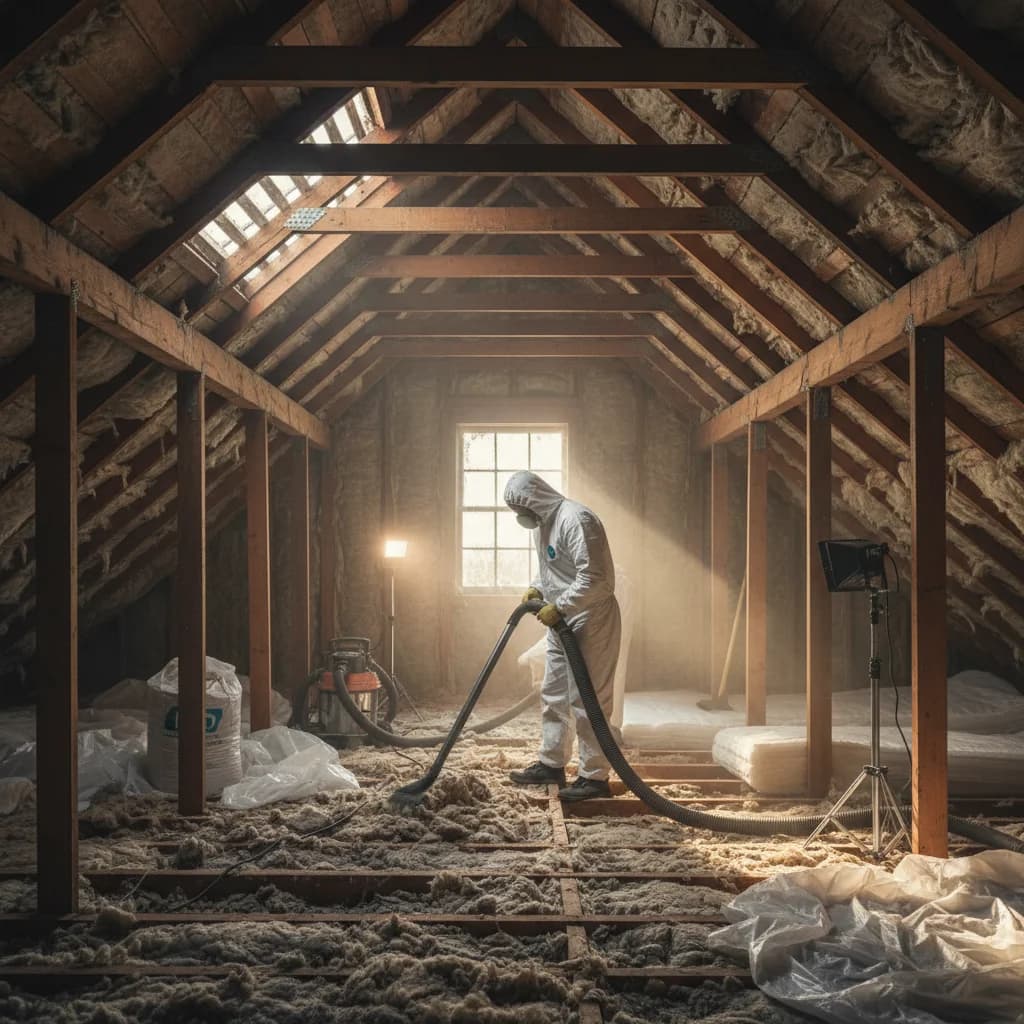
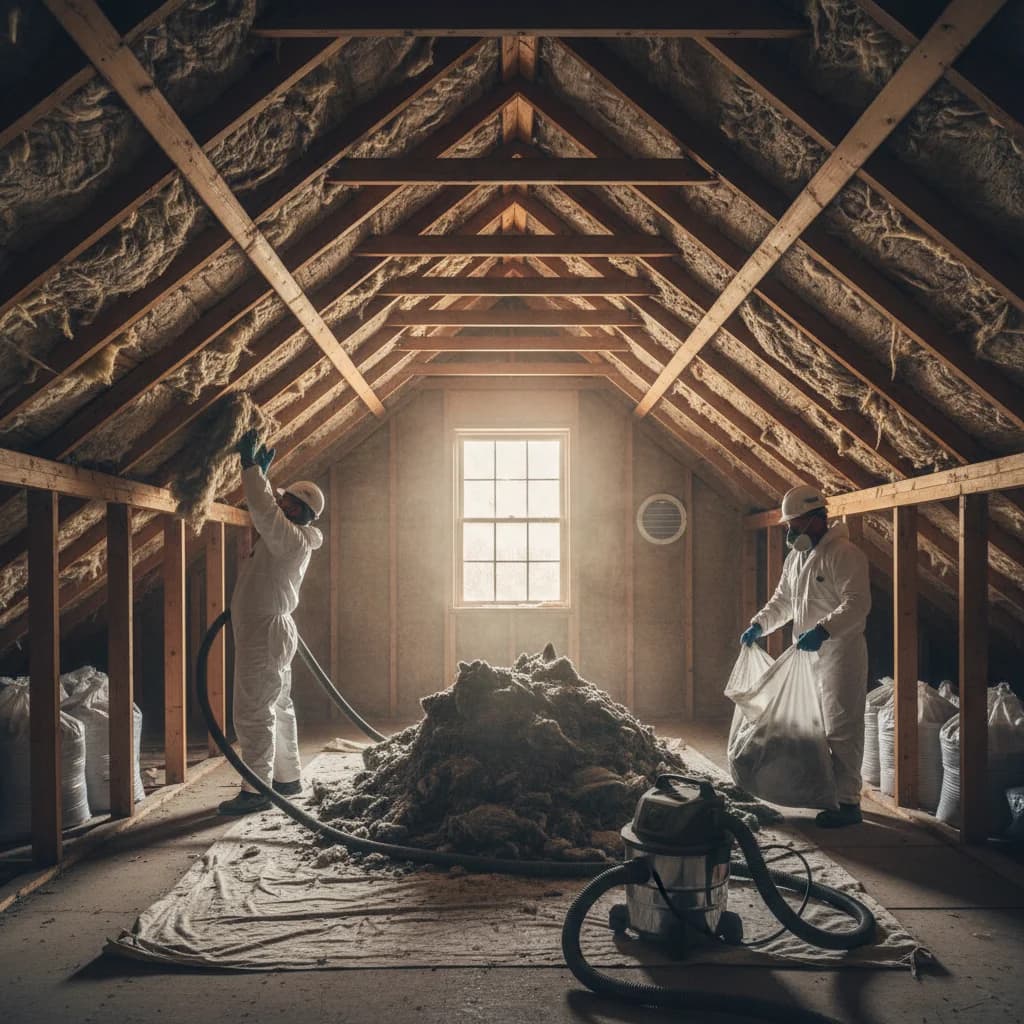
Evidence of pests — including rodent droppings, bat guano, squirrel damage, or insect activity — signals ongoing maintenance problems. Buyers worry about structural damage, contaminated insulation, and the cost of remediation. Clearing out contaminated materials and having the space professionally cleaned eliminates this concern entirely.
Ventilation problems such as blocked soffit vents, missing ridge vents, or bathroom exhaust fans vented directly into the attic rather than through the roof are all documented. Poor ventilation accelerates shingle deterioration, promotes mold growth, and increases cooling costs.
Pre-Listing Preparation Steps
A methodical approach to attic preparation ensures you address the issues that matter most to inspectors and buyers:
Start with a thorough visual inspection of your own. Use a bright flashlight and look for water stains, pest evidence, damaged insulation, and any obvious structural concerns. Take photos of everything you find — this documentation helps you get accurate quotes from contractors and track what's been resolved.
Next, address any active problems. Fix roof leaks before doing anything else in the attic. Remove pest infestations and have the space decontaminated. Repair any exposed or damaged wiring. These are non-negotiable items that must be resolved before listing.
Then focus on insulation and ventilation upgrades. If your insulation is old, thin, or contaminated, replacing it delivers one of the highest returns of any pre-sale improvement. Ensure bathroom fans vent through the roof, not into the attic space. Verify that soffit vents are open and unobstructed by insulation baffles.
Finally, make your attic accessible. Clear a path from the access point so the inspector can enter safely. Remove stored items that block visibility of the attic floor, insulation, and structural components. An inspector who can't access your attic will note it as "not inspected," which raises suspicion for buyers. For a complete walkthrough of what inspectors evaluate, review our attic inspection checklist.
The ROI of Attic Improvements Before Selling
Attic upgrades offer some of the strongest returns on investment for pre-sale improvements. According to energy efficiency studies, insulation upgrades typically return 80-120% of their cost at resale — making them one of the few home improvements that can more than pay for themselves.
Beyond direct cost recovery, a well-maintained attic provides indirect financial benefits during the sale process. Homes with clean inspection reports sell faster, spend fewer days on the market, and face fewer price reductions. Buyers who see a maintained attic gain confidence that the rest of the home has been equally well cared for.
In Scottsdale, where summer attic temperatures routinely exceed 150 degrees, buyers are especially attentive to insulation quality and ventilation. Demonstrating that your attic has adequate insulation and proper airflow reassures buyers they won't face unexpected energy costs after moving in.
The cost of proactive attic preparation — typically $1,500 to $5,000 depending on what's needed — is almost always less than the price reduction a buyer will demand when their inspector flags problems. Sellers who address issues upfront negotiate from a position of strength rather than reacting to buyer demands.
Addressing Problems Before Buyers Discover Them
The worst time to learn about an attic problem is when a buyer's inspector puts it in writing. Once an issue appears on an inspection report, it becomes a formal negotiation point. Buyers will request repairs, price reductions, or both — and their estimates for fixing the problem are almost always higher than what you'd pay to handle it yourself on your own timeline.
Being proactive also gives you control over which contractors do the work and how much you spend. When buyers demand repairs, they often insist on using their own preferred vendors, who may charge premium prices knowing the seller is under pressure to close.
Consider getting a pre-listing inspection — hiring your own inspector before the buyer does. This gives you a private report of every issue in the home, including the attic, so you can fix problems on your terms. Document every improvement with receipts, before-and-after photos, and warranty information. This documentation goes into the seller's disclosure packet and demonstrates that problems were addressed professionally.