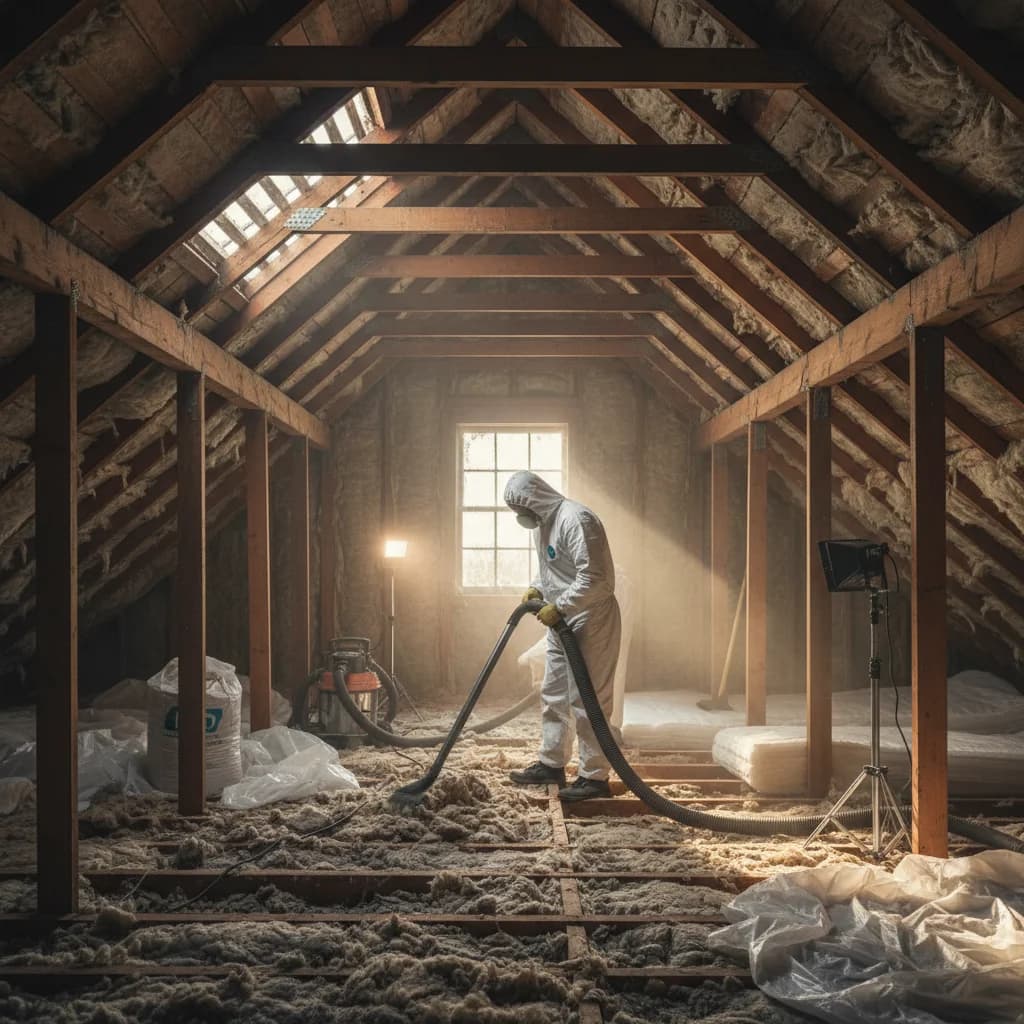
Congratulations on your new home. Among all the excitement of unpacking boxes and settling in, there's one space that deserves your attention early — your attic. It may not be the most glamorous part of your house, but what happens up there directly affects your energy bills, indoor air quality, and long-term maintenance costs. In hot climates like San Antonio, where attics bear the brunt of extreme summer heat, taking time to understand your attic within the first few weeks of ownership sets you up for years of fewer surprises and lower repair bills.
There are 36 attic cleaning companies in San Antonio with an average rating of 4.7 stars.Your First 30 Days: The Attic Orientation
Within the first month of moving in, schedule a dedicated visit to your attic. Bring a bright flashlight, your phone for photos, and wear long sleeves and a dust mask. This initial walkthrough establishes your baseline — the condition of everything as you inherited it.
During this first inspection, document the following:
- Insulation type and approximate depth — Note whether you have fiberglass batts, blown-in cellulose, blown-in fiberglass, or spray foam. Measure the depth in several locations
- Visible damage or staining — Photograph water stains on the roof decking, discolored insulation, or areas where insulation is missing
- Pest evidence — Look for droppings, nesting materials, chewed wires, or gnaw marks near eaves and gaps
- Ventilation components — Identify soffit vents, ridge vents, gable vents, or powered fans and note whether any appear blocked
- Mechanical systems — Map out HVAC equipment, ductwork, plumbing, or electrical wiring in the attic
This documentation becomes your reference point for tracking changes over time. For a complete walkthrough of what to examine and how to evaluate each component, refer to our attic inspection checklist.
What Your Home Inspection Did and Didn't Cover
Your pre-purchase home inspection provided valuable information, but it has limitations worth understanding. Standard home inspections are visual assessments — inspectors observe what's visible and accessible, but they don't move insulation, open walls, or perform destructive testing.
Your inspector likely noted insulation type and approximate condition, checked for obvious water damage, and verified that ventilation existed. However, they probably did not check insulation depth at every point, test for mold behind surfaces, evaluate insulation age, or identify pest contamination hidden beneath the top layer.
In San Antonio, where summer heat drives attic temperatures well above 140 degrees, insulation degradation happens faster than in cooler climates. What looked acceptable during a winter inspection may already be performing below expectations by the following July. Similarly, in Charlotte, humidity levels create conditions where moisture problems develop gradually and may not have been apparent on the day of your inspection.
Understanding these gaps isn't about blaming your inspector — it's about knowing where to focus your own follow-up attention as the new owner.
Building a Seasonal Maintenance Schedule
Consistent seasonal attention prevents small attic issues from becoming expensive emergencies. Here's a practical schedule to follow throughout the year:
Spring — Inspect for any winter damage. Check for water stains from ice dams or roof leaks that occurred during the cold months. Look for new pest activity, as rodents and wildlife often seek shelter during winter and may have established nests. Verify that bathroom exhaust fans are still venting properly to the exterior.
Summer — Assess ventilation performance. If your upstairs rooms are noticeably hotter than the ground floor, your attic may have inadequate ventilation or insulation. This is the time to check whether attic fans are operational and soffit vents are clear. Avoid extended time in the attic during peak heat — temperatures can reach dangerous levels.
Fall — Prepare for winter by sealing any gaps or cracks where pests could enter. Inspect weatherstripping around the attic hatch or pull-down stairs. Check that insulation hasn't shifted or settled, leaving bare spots. This is the ideal season for insulation upgrades if your spring assessment revealed deficiencies.
Winter — Monitor from below. Watch for ice dams forming along roof edges, which indicate heat escaping through inadequate attic insulation. Note any drafts near the attic access point. Listen for sounds of animal activity, which is more common as wildlife seeks warm shelter.
Common Inherited Problems from Previous Owners
Every home carries a history of the previous owner's maintenance habits — and sometimes their neglect. Attics are particularly susceptible to deferred maintenance because they're out of sight and out of mind. Several problems commonly surface in the first year of ownership:
Inadequate insulation tops the list. Previous owners may have never upgraded the original builder-grade insulation, which in homes built before 2000 often falls well below current energy code recommendations. You may be paying significantly more in heating and cooling costs than necessary.
Hidden pest contamination is another frequent discovery. Rodent infestations that were addressed superficially — trapping the animals but not cleaning up after them — leave behind contaminated insulation that affects air quality. If you notice musty odors or allergy symptoms that seem worse indoors, contaminated attic insulation may be the cause. Our guide on signs your attic needs professional cleaning covers the specific indicators to watch for.
Improper bathroom venting is surprisingly common. In many homes, bathroom exhaust fans terminate in the attic rather than exiting through the roof, pumping warm moist air into the space and promoting mold growth. Correcting this is straightforward but important.
Amateur modifications — previous owners who ran wiring, added storage platforms, or compressed insulation to create walkways may have created fire hazards, reduced insulation effectiveness, or compromised structural components.
When to Schedule a Professional Assessment
While your own inspections are valuable, certain situations call for professional evaluation. Consider scheduling a professional attic assessment if you discover pest evidence during your first walkthrough, if energy bills seem disproportionately high compared to similarly sized homes in Columbus, if you notice mold or persistent moisture stains, or if insulation appears more than 15 years old.
A professional assessment goes deeper than a standard home inspection. Attic specialists evaluate insulation R-value with thermal imaging, identify pest contamination not visible on the surface, assess ventilation with airflow measurements, and recommend improvements prioritized by impact and cost.
Many attic service companies offer free or low-cost assessments. Use this initial visit to establish a relationship with a reputable local provider.
Keeping Records for the Long Term
Start a dedicated home maintenance file for your attic. Include your initial photo documentation, any inspection reports, receipts for work performed, warranty information for insulation or ventilation products, and notes from your seasonal checks. This record serves multiple purposes — it helps you track changes over time, provides critical documentation if you ever need to file an insurance claim, and becomes a valuable asset when you eventually sell the home. Buyers appreciate sellers who can demonstrate a history of consistent maintenance, and a well-documented attic record communicates that the entire property has been cared for responsibly.