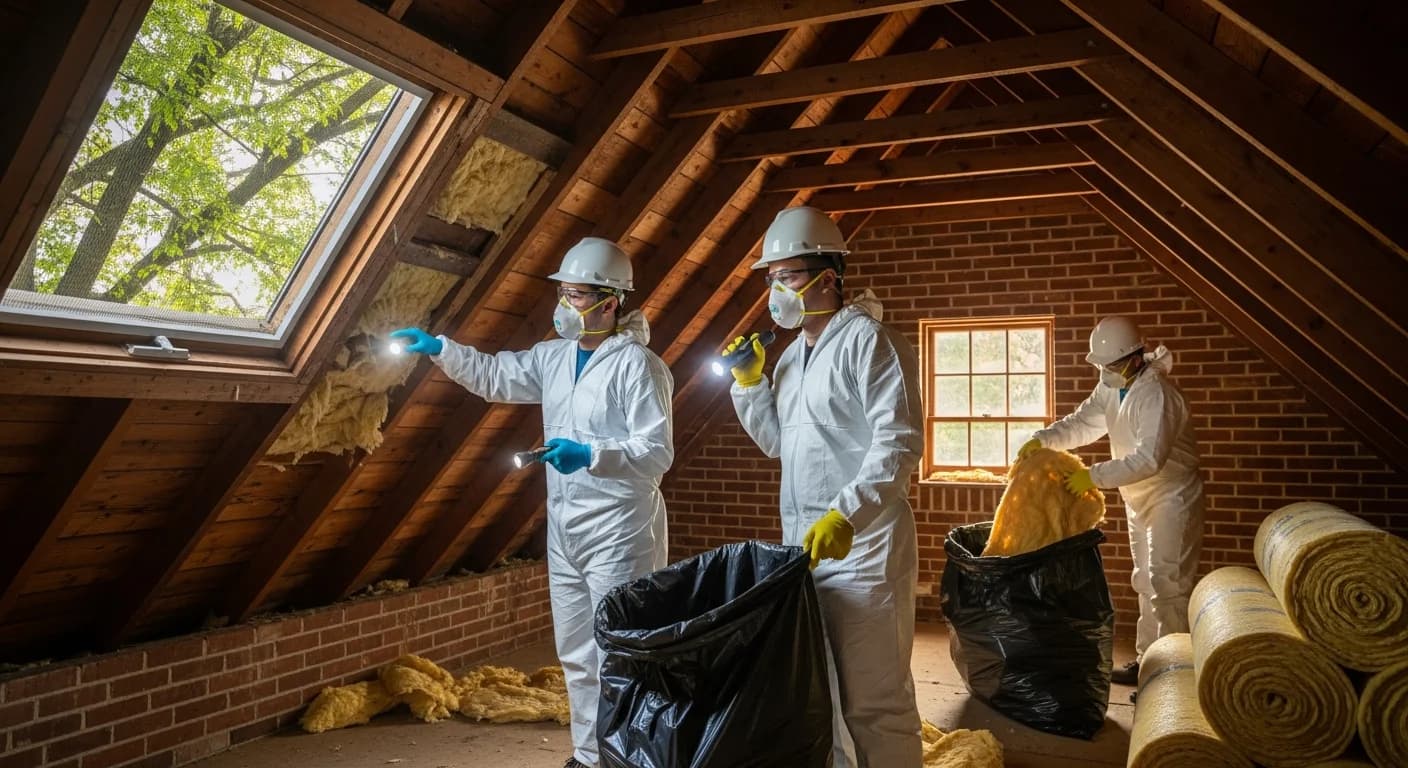
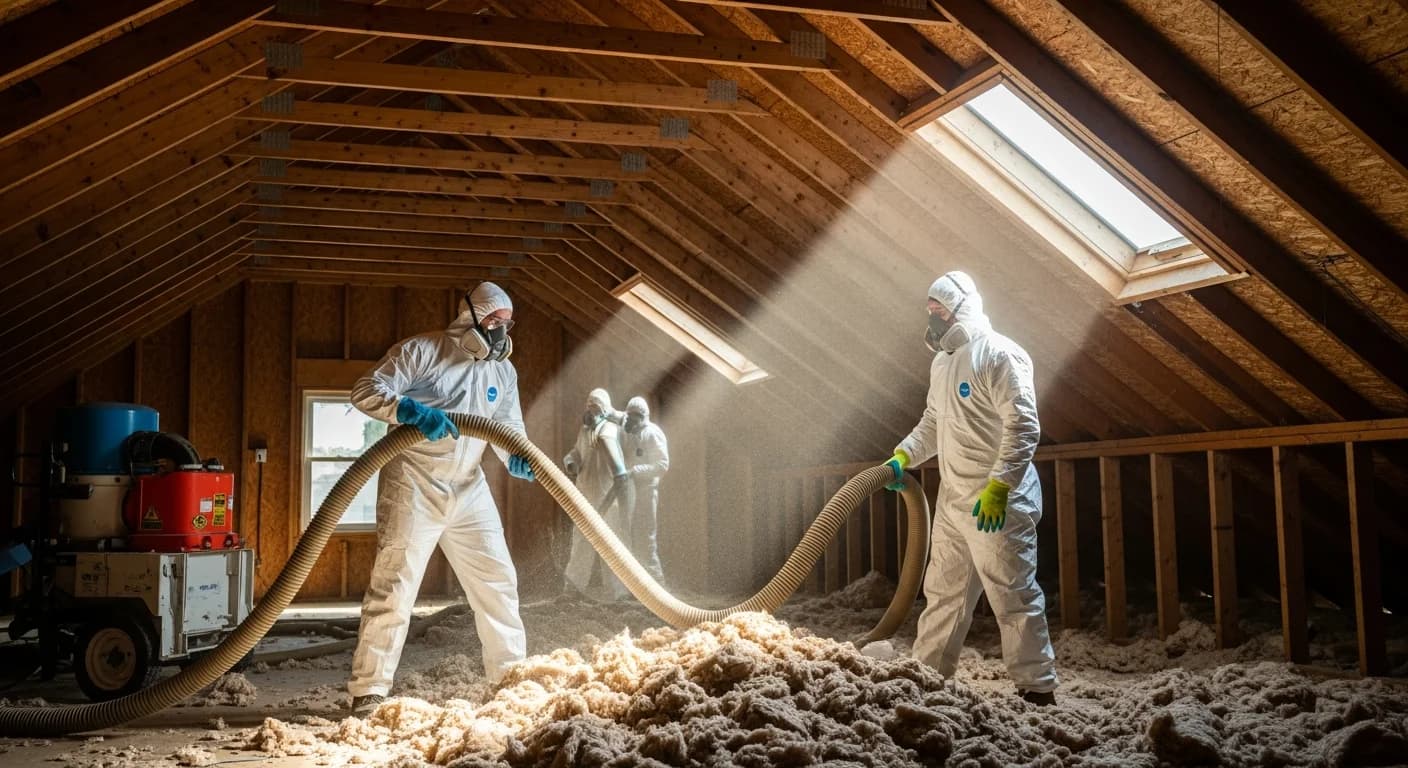
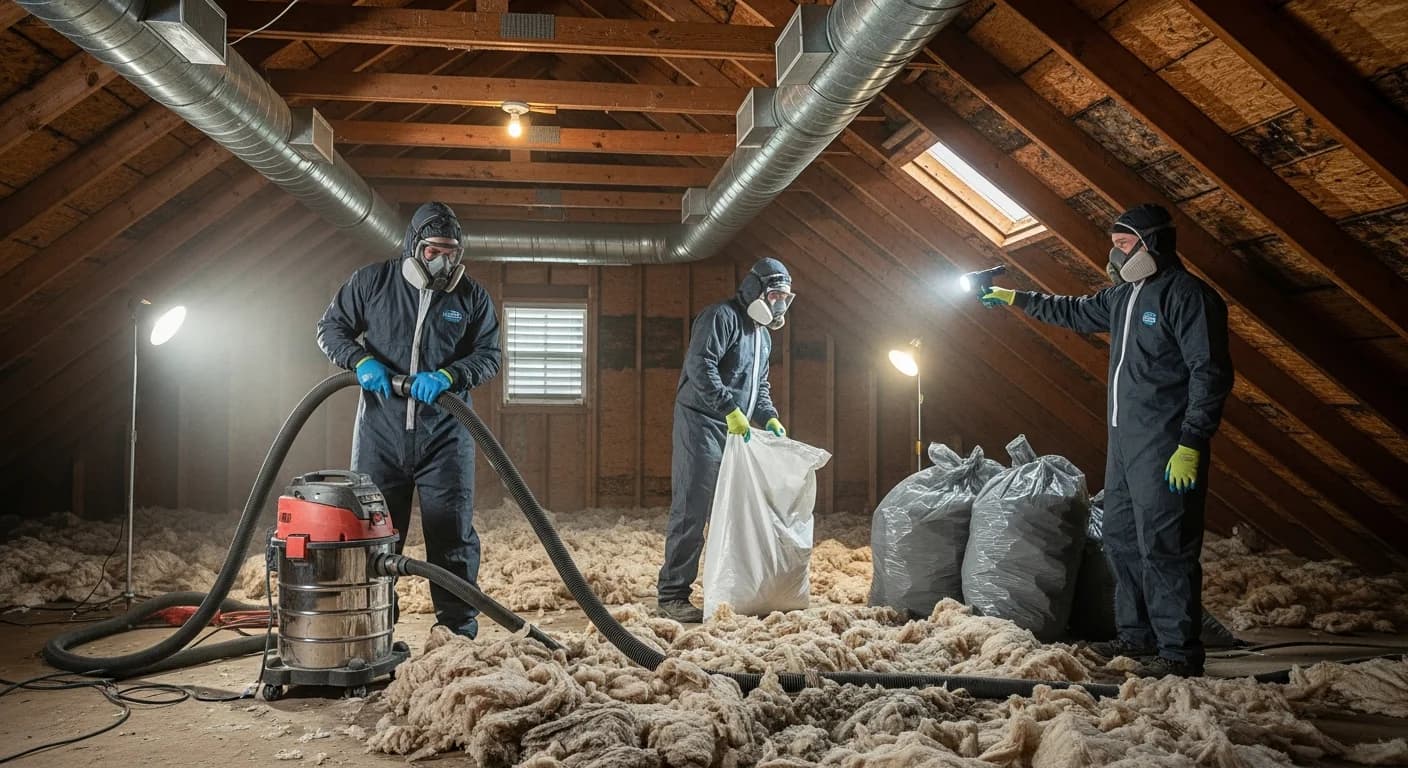
A thorough attic inspection twice a year can catch small problems before they become expensive repairs. Whether you're preparing for seasonal weather changes or you've noticed something off in your home's comfort or energy performance, walking through a structured checklist ensures you don't overlook the issues that matter most. Before heading up, gather a flashlight, a dust mask, knee pads, and a notebook or phone camera to document what you find. Homeowners in Dallas should plan inspections before summer heat peaks and again before winter, while those in Aurora need to pay close attention to ice dam indicators during colder months.
There are 83 attic cleaning companies in Dallas with an average rating of 4.8 stars.Safety Equipment and Preparation
Before stepping into your attic, proper preparation protects both you and the space you're inspecting. Wear long sleeves, pants, closed-toe shoes, and a properly fitted N95 respirator — not a simple dust mask — especially if you suspect mold or animal contamination. Bring a bright flashlight or headlamp, as attic lighting is typically inadequate for a detailed inspection. Use a sturdy ladder and ensure someone else is home in case you need assistance.
Walk only on joists or installed walkboards. Stepping on insulation between joists risks breaking through the ceiling below. If your attic has blown-in insulation, the joists may be hidden — move slowly and test each step. Bring a measuring tape to check insulation depth and a screwdriver to probe wood for soft spots. A camera or smartphone is essential for documenting any issues you find, creating a record you can share with contractors if professional work becomes necessary. For a full overview of the hazards you may encounter — from asbestos and electrical dangers to biological contamination — review our guide on common attic safety hazards.
Structural Components
Start your inspection by examining the bones of your attic. Look at the rafters, ridge board, and collar ties for signs of cracking, sagging, or separation at connection points. Check the roof sheathing — the plywood or OSB panels attached to the rafters — for dark stains, warping, delamination, or daylight peeking through. Any daylight visible through the roof deck means moisture can enter, and it likely already has.
Examine the areas around chimneys, plumbing vents, and any roof penetrations where flashing should create a watertight seal. Look for rust stains, gaps in flashing, or dried sealant that has cracked and pulled away. In older homes, inspect the condition of any structural repairs or modifications that previous owners may have made — improper cuts or notches in rafters weaken the roof structure significantly.
Insulation Condition and Coverage
Insulation is your attic's primary defense against energy loss, so its condition directly affects your utility bills and comfort. Measure the depth of your insulation in several locations. For most climates, the Department of Energy recommends R-38 to R-60, which translates to roughly 10-16 inches of fiberglass batts or 12-18 inches of blown-in cellulose. If your insulation falls short, adding more is one of the most cost-effective home improvements available.
Beyond depth, examine the insulation's physical condition. Look for areas that are compressed, displaced, or missing entirely — common around attic hatches, HVAC equipment, and walkways. Check for dark staining, which indicates air movement through the insulation (a sign of air leaks below) or moisture problems. Animal-damaged insulation will show tunneling, nesting areas, droppings, or urine stains. Contaminated insulation cannot be restored and must be professionally removed and replaced. If you spot any of these signs your attic needs cleaning, document the affected areas carefully.
Ventilation Assessment
Proper attic ventilation prevents moisture buildup in winter and excessive heat in summer. Check that your soffit vents along the eaves are clear and unobstructed — insulation frequently blocks these openings, cutting off the intake airflow your attic needs. Verify that your ridge vent, gable vents, or roof-mounted exhaust vents are functioning and free of debris, wasp nests, or bird nesting material.
A well-ventilated attic should have roughly equal intake and exhaust capacity. On a cold day, check for condensation on the underside of the roof sheathing or on nail tips — frost or water droplets indicate inadequate ventilation. In Minneapolis, where winter temperatures regularly drop below zero, proper ventilation is critical for preventing ice dams that form when attic heat melts snow on the roof above while the eaves remain frozen.
Moisture and Mold Indicators
Water is your attic's worst enemy, and moisture problems often develop silently over months or years. Inspect every surface for water stains — look for discoloration rings on wood, damp patches on insulation, and mineral deposits (white crystalline residue) on framing. Feel the insulation in several spots; any dampness is a problem that needs immediate attention.
Check for mold growth on wood surfaces, which appears as black, green, or white fuzzy patches. Pay special attention to the north-facing roof slope, where condensation tends to accumulate, and corners where airflow is limited. Verify that all bathroom exhaust fans, dryer vents, and kitchen vents terminate outside the building — not into the attic. Exhaust venting into attic space is one of the most common causes of attic moisture problems and can be identified by flexible ductwork that ends without connecting to a roof or soffit cap.
Pest Activity and Entry Points
Animal activity leaves clear evidence if you know what to look for. Scan the attic floor and surfaces for droppings — mouse droppings are small and pellet-shaped, rat droppings are larger and capsule-shaped, and bat droppings (guano) crumble easily and accumulate in piles beneath roosting spots. Look for nesting materials like shredded insulation, paper, leaves, or fabric gathered into clusters.
Examine wood framing and wiring for gnaw marks. Rodents chew constantly to keep their teeth from overgrowing, and electrical wiring is a frequent target — creating a genuine fire hazard. Check for grease marks along beams and walls where rodents travel repeatedly. Finally, inspect the perimeter of the attic for entry points: gaps at the roofline, holes around pipes and wires, damaged soffit panels, and screens missing from gable or ridge vents. Even a gap as small as a quarter inch can admit mice. Seal or note every opening for professional follow-up, as exclusion work prevents the cycle of re-infestation that makes attic cleaning a recurring expense.