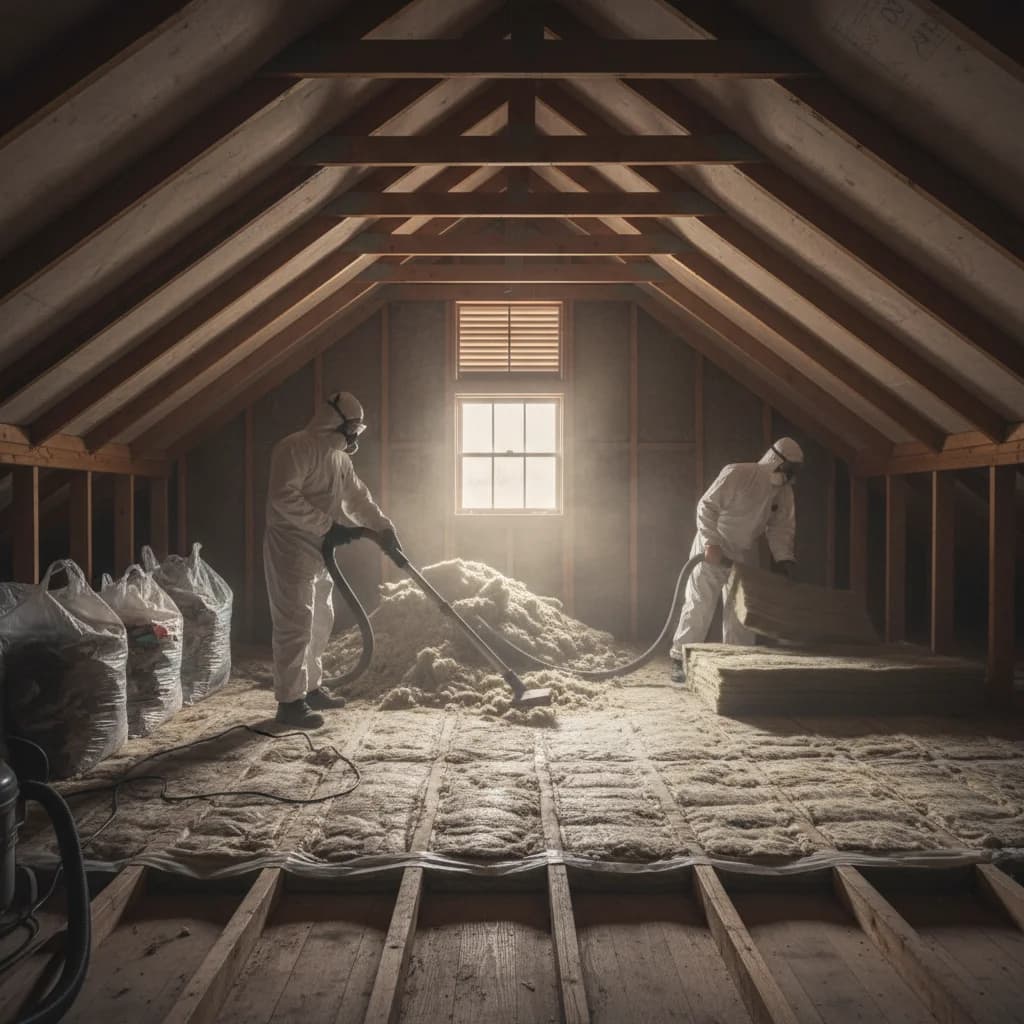
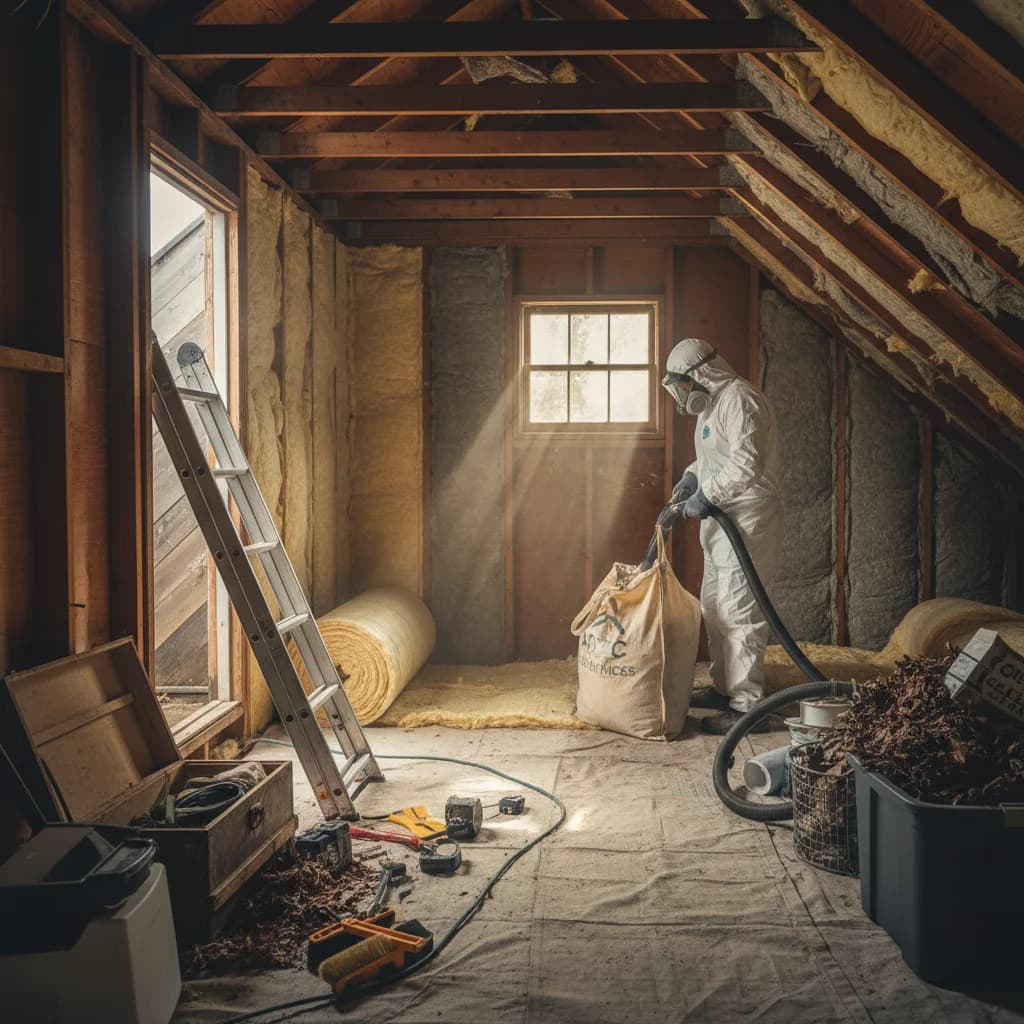
Picture this: winter has just ended, and your attic has spent the last several months enduring temperature swings, moisture accumulation, and whatever wildlife decided to move in when the weather turned cold. Now, as spring arrives, you have a narrow window — after the worst of the cold but before summer heat takes hold — to inspect, clean, and repair your attic before the next season of stress begins. Homeowners in Nashville and Atlanta know this transition well: the mild spring weeks between freezing nights and 90-degree afternoons go quickly, and attic work is far more comfortable and effective when done during this window.
There are 70 attic cleaning companies in Nashville with an average rating of 4.7 stars.Assessing Winter Damage
The first priority in a spring attic check is identifying any damage that winter inflicted. Even in climates that don't experience severe winters, the cold season brings temperature cycling, wind-driven rain, and occasional ice that can compromise the attic envelope. Start by examining the underside of the roof sheathing with a bright flashlight. Look for water stains, dark patches, or any areas where the wood appears swollen or discolored — these indicate moisture intrusion, whether from a roof leak, ice dam backup, or condensation that accumulated over the cold months.
Check the rafters and any exposed framing for signs of frost damage or new cracks. Inspect the area around roof penetrations — vent pipes, exhaust fans, chimneys, and skylights — where flashing is most likely to fail. Feel the insulation near the eaves and in any areas below known problem spots. Wet or damp insulation should be investigated immediately, as it will not dry effectively on its own and becomes a mold risk. Document everything with photographs so you have a record for comparison during future inspections and for reference if you need to discuss repairs with a contractor.
Pest Inspection After Winter
Winter drives animals into sheltered spaces, and your attic is one of the most attractive options available. Spring is when the evidence of winter pest activity becomes most apparent, and it's also when many species become more active as temperatures rise. Inspect the entire attic space for droppings, urine staining, nesting materials, gnaw marks on wood or wiring, and any unusual odors.
Rodent droppings are the most common find — small dark pellets concentrated along travel paths near walls, pipes, and wiring runs. If you find droppings, look carefully at the insulation below for tunneling, compression, and contamination. Squirrel activity is often marked by larger entry holes and nesting material made of shredded insulation, leaves, and fabric. Bird nests near soffit vents or gable vents indicate that screening is damaged or missing. In Dallas, roof rats are active year-round and may establish permanent colonies in attics if entry points are not sealed. Any evidence of pest activity should be addressed before warm weather arrives and populations increase. For a comprehensive overview of warning signs that indicate your attic needs professional attention, see our guide on signs your attic needs cleaning.
Insulation Settling and Condition Check
Insulation naturally settles over time, and a winter season of temperature cycling can accelerate the process. Blown-in cellulose is particularly prone to settling — it can lose 10 to 20 percent of its installed depth over the first few years and continues settling gradually after that. Blown-in fiberglass settles less but still compacts under its own weight and from any traffic or disturbance in the attic.
Bring a ruler or tape measure into the attic and check insulation depth in multiple locations. Compare your measurements to the recommended R-value for your climate zone — in the Southeast, R-38 to R-49 is standard for attic floors. If your insulation has settled below the recommended depth, spring is an ideal time to schedule a top-up before summer heat increases the cooling load on your home. Also look for areas where insulation has been displaced by pest activity, moved aside during previous repair work, or compressed by stored items. Even small gaps in insulation coverage create thermal bridges that allow heat to transfer through the ceiling. Redistribute any displaced insulation to restore even coverage, and mark areas that need professional attention.
Ventilation Clearing
Winter weather can obstruct attic ventilation in several ways. Soffit vents may be blocked by insulation that shifted during the cold months, by debris blown in by wind, or by nests built by birds or insects seeking winter shelter. Ridge vents can be obstructed by ice buildup that hasn't fully melted, accumulated leaves, or damaged vent caps. Gable vents may have screening that's been torn by animals attempting to gain entry.
Walk the perimeter of the attic and verify that every soffit vent has a clear air path from the exterior into the attic space. Ventilation baffles — the rigid channels between rafters at the eaves — should be intact and free from insulation encroachment. Check ridge vents for daylight, which confirms they're open and functional. If any powered ventilation equipment is installed, test it to ensure the motor runs and the fan turns freely. Clearing ventilation pathways before summer arrives is critical because restricted airflow during the hottest months will trap heat in the attic, degrade insulation performance, and force your cooling system to work harder.
Moisture Inspection
Spring is the ideal time to check for moisture issues because winter is the season when most condensation and leak damage occurs. Beyond the obvious signs of water stains and wet insulation, look for subtler indicators of moisture problems. Rusty nail tips protruding through the roof sheathing are a reliable sign of repeated condensation — when warm moist air contacts the cold nail, moisture condenses and causes rust over time.
Check any metal components in the attic — strapping, junction boxes, HVAC equipment — for rust or corrosion. Look at the attic floor near exterior walls, where condensation and ice dam leakage are most likely to appear. If your attic has a vapor barrier, inspect it for tears, gaps, or areas where it has been displaced. A wireless hygrometer installed in the attic can provide ongoing humidity monitoring and alert you to developing moisture problems before they cause visible damage. If you discover active mold or widespread moisture staining, a professional assessment is warranted to identify the source and determine the appropriate remediation approach.
Scheduling Professional Service
After completing your spring inspection, you'll have a clear picture of your attic's condition and whether professional work is needed. Spring is the optimal time to schedule professional attic services for several reasons: contractors are typically less booked than during peak summer and winter seasons, the moderate temperatures make attic work safer and more efficient for crews, and completing the work before summer means your attic will be fully prepared for the highest-demand cooling season.
If your inspection revealed pest contamination, water damage, insulation that needs replacement, or ventilation problems, gather at least two or three quotes from qualified companies. Provide each company with the documentation from your inspection so they can give accurate estimates. Ask specifically what each quote includes — insulation removal, sanitizing, air sealing, and new insulation should all be itemized separately so you can compare proposals accurately. For a detailed look at what the professional cleaning process involves from start to finish, see our guide on what happens during a professional attic cleaning. Addressing these issues in spring avoids the discomfort and urgency of emergency repairs during summer heat or the next winter season.