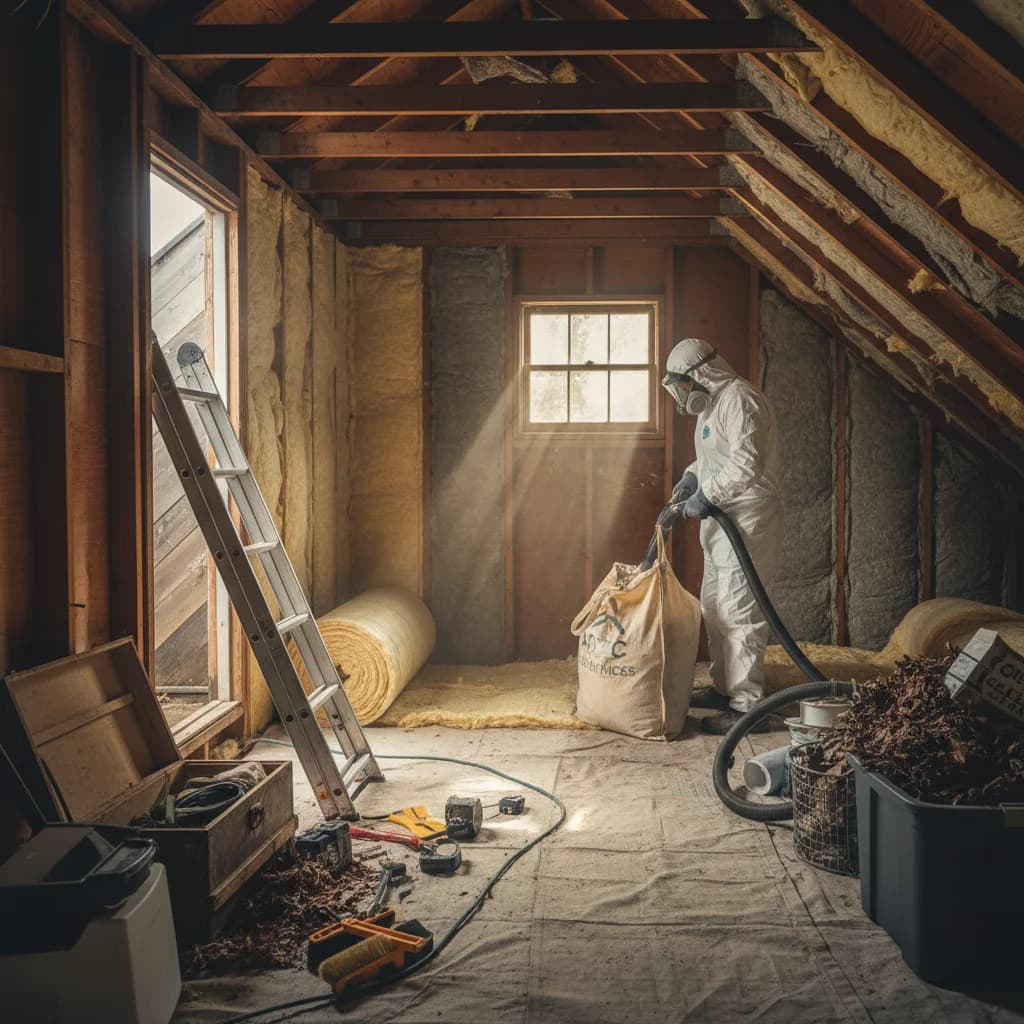
Most homeowners think about their attic only when a problem becomes impossible to ignore — a musty smell drifting down from above, an unexplained spike in the energy bill, or scratching sounds at night. By that point, the timing of the project is dictated by urgency rather than strategy. But when you have the luxury of planning ahead, choosing the right season for attic work can mean lower costs, faster scheduling, better working conditions, and improved results. In San Antonio, where summer attic temperatures regularly exceed 140 degrees, and in New York, where harsh winters create their own set of complications, the calendar plays a direct role in how smoothly an attic project goes.
There are 36 attic cleaning companies in San Antonio with an average rating of 4.7 stars.Spring: The Ideal Season for Most Attic Work
For the majority of attic cleaning and insulation projects, spring offers the best combination of moderate temperatures, manageable scheduling, and practical timing. Attic temperatures in March through May are typically comfortable enough for crews to work efficiently without the heat-related safety concerns that dominate summer months. Spring scheduling also positions the work before peak season, meaning contractors often have more availability and may offer more competitive pricing.
Spring is particularly well-suited for post-winter inspections. Snow, ice, and freeze-thaw cycles can create subtle damage that only becomes apparent after the thaw — water stains on sheathing, damp insulation from ice dam leakage, and condensation damage that developed over months of cold weather. Catching these issues in spring, before summer heat bakes them into permanent problems, is far less expensive than discovering them during a fall inspection when damage has compounded. For homeowners planning a comprehensive professional attic cleaning, spring gives contractors the best working conditions to do thorough work without rushing to beat extreme weather.
Summer: Proceed With Caution
Summer is the most challenging season for attic work in most parts of the country, and in southern states it can be genuinely dangerous. Attic temperatures in Texas, Arizona, and the Southeast routinely reach 130-160 degrees during July and August. At these temperatures, the risk of heat exhaustion and heat stroke is real, and most responsible contractors limit attic work to early morning hours or decline summer projects entirely in extreme heat markets.
Even in moderate climates, summer attic work is less efficient. Crews take more frequent breaks, productivity drops as the day warms, and the physical toll of working in a hot, confined space leads to faster fatigue. For homeowners, this can translate to longer project timelines and sometimes higher labor costs to account for the reduced productivity. If summer is your only option, schedule the work for the earliest possible time slot and discuss heat management protocols with your contractor. Some companies use temporary ventilation fans to improve airflow during summer attic work. However, if your project is not urgent, waiting for fall will generally yield a better experience for everyone involved.
Fall: Prime Time for Insulation and Weatherization
Fall is the strategic season for attic insulation upgrades and air sealing work. Temperatures are cooling but not yet cold, giving contractors a comfortable window for thorough work. More importantly, completing insulation and air sealing before winter means your home enters the heating season fully prepared, capturing energy savings from the very first cold snap.
The fall timing advantage extends to pest-related work as well. Rodents and wildlife actively seek shelter as temperatures drop, and fall is when new infestations typically begin. Completing exclusion work — sealing entry points and installing barriers — in September or October prevents animals from establishing winter nests in your attic. Waiting until you hear scratching sounds in December means the infestation is already established and cleanup becomes more extensive. In Denver, where the first significant snowfall can arrive as early as October, fall attic preparation is especially time-sensitive. For a detailed breakdown of what different attic services cost and how timing can affect pricing, see our attic cleaning cost guide.
Winter: Off-Peak Pricing and Scheduling Advantages
Winter is the off-peak season for attic work in most markets, and that creates real advantages for homeowners whose projects are not weather-dependent. Contractors who are fully booked from March through November often have open schedules in January and February. This increased availability can translate to shorter wait times from first call to project start, and some companies offer off-season discounts to keep their crews working during slower months.
Interior attic work — insulation removal and replacement, sanitization, deodorizing — can proceed in winter as long as the attic is accessible and conditions are safe. Cold attic temperatures are actually preferable to extreme heat for crew comfort and productivity. The primary winter limitation is that exterior-dependent work, such as roof repairs, vent installations, or soffit modifications, may be delayed by snow, ice, or freezing conditions. If your project requires both interior and exterior work, a phased approach — interior cleaning and insulation in winter, exterior sealing and vent work in spring — can capture the scheduling benefits of the off-season while respecting weather limitations.
Service-Specific Timing Recommendations
Different attic services have their own optimal timing windows based on the nature of the work:
Insulation replacement is best scheduled in fall, before the heating season begins. This maximizes the energy savings captured during winter months and takes advantage of comfortable working temperatures. Spring is the second-best option.
Pest exclusion and cleanup is most effective in early fall, before rodents and wildlife move indoors for winter. Spring cleanup after winter infestations is the next best window, catching damage before warm weather accelerates odor and bacterial issues.
Mold remediation is ideally performed after the rainy season or humid summer months when moisture-related growth has had time to manifest. In the Northeast, late summer inspections catch problems that developed during humid months. In the West, spring inspections after winter rains are more relevant.
Air sealing should be completed before the heating season whenever possible, as the energy savings from sealing air leaks are most significant during months when your HVAC system runs continuously. A fall air sealing project paired with insulation work delivers the highest return on investment.
Booking and Availability by Season
Understanding seasonal demand helps you plan ahead and avoid the frustration of long wait times. The attic cleaning industry follows a predictable cycle: demand spikes in spring as homeowners discover winter damage, remains high through early fall as insulation season peaks, and drops significantly during winter months. Booking four to six weeks ahead during spring and fall is prudent, while winter projects can often be scheduled within one to two weeks. If you know you need attic work, requesting quotes in winter — even for a spring project — gives you leverage and time to compare proposals without schedule pressure. Many companies offer free assessments year-round, so getting on their calendar early costs nothing and ensures you have detailed quotes ready when your preferred season arrives.