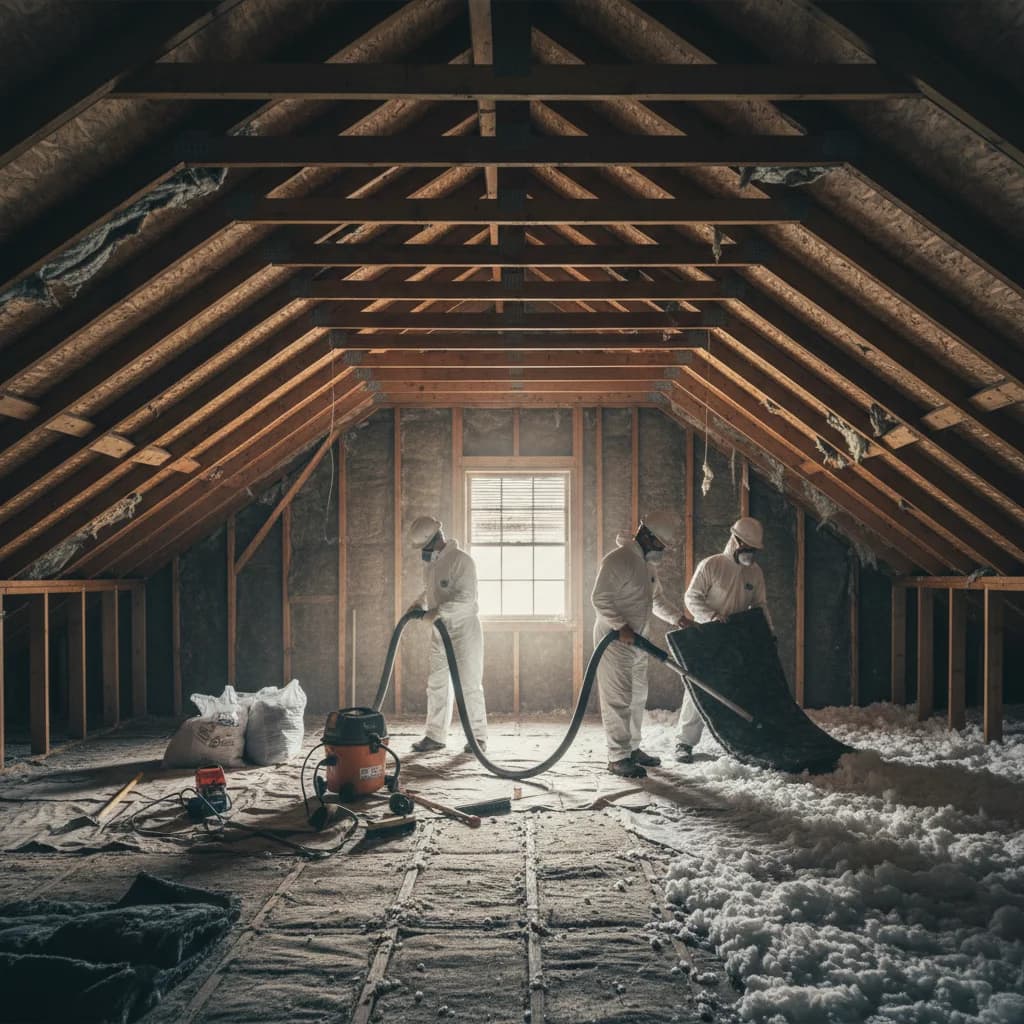
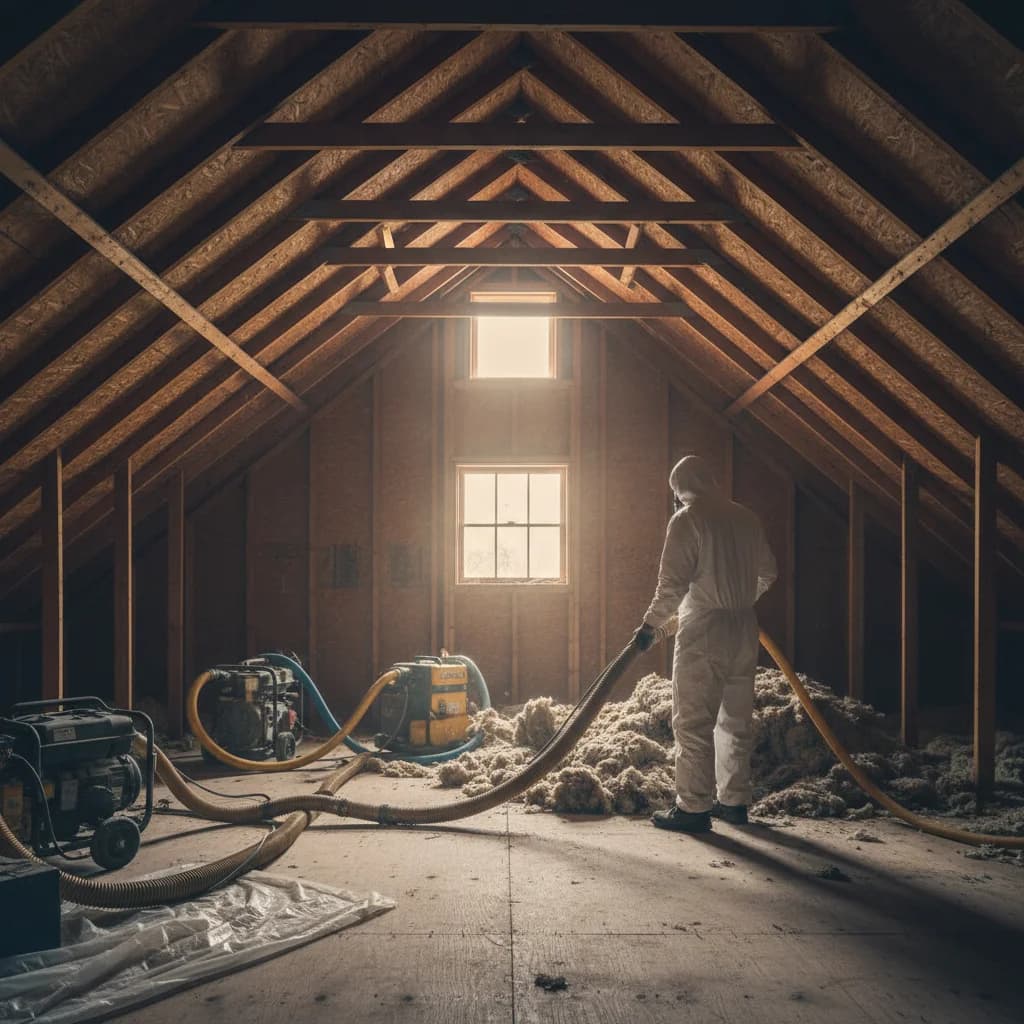
Attic mold remediation is one of the most variable home repair costs homeowners face. A small patch of surface mold on a few rafters might cost $500 to treat, while widespread structural contamination across the roof deck can exceed $10,000. Insurance coverage adds another layer of complexity, as most policies limit or exclude mold. In moisture-prone markets like Seattle, where attic mold is among the most common home maintenance issues, understanding these costs is especially important. This guide breaks down the real numbers, explains how insurance handles mold claims, and covers the documentation steps that improve your chances at coverage.
There are 22 attic cleaning companies in Seattle with an average rating of 4.7 stars.Cost Ranges by Mold Severity
Mold remediation pricing depends on the extent and location of growth. Professionals categorize attic mold into three severity levels, each with a distinct cost range.
Surface mold on limited areas ($500–$2,000): Mold growth confined to a small section of roof sheathing or a few rafters, typically less than 50 square feet. Treatment involves HEPA vacuuming, sanding or wire-brushing the affected wood, applying antimicrobial solution, and addressing the moisture source. This is the most common scenario and often the result of a minor ventilation issue or isolated roof leak.
Moderate mold across significant areas ($2,000–$5,000): Mold covering 50 to 200 square feet of roof sheathing, rafters, or both. This level requires full containment with plastic sheeting, negative air pressure, and more extensive surface treatment. Insulation in the affected zone typically needs removal and replacement. In Seattle, where chronic moisture from rain and poor ventilation creates conditions for widespread growth, this is a frequently encountered scope of work.
Severe structural contamination ($5,000–$15,000+): Mold that has penetrated deep into wood fibers across large areas, or growth on structural members that has caused wood rot. Remediation may require replacing sections of roof sheathing, sister-reinforcing compromised rafters, and extensive antimicrobial treatment. Attics with prolonged, unaddressed moisture problems — common in older homes in Miami where humidity and hurricane damage create persistent leaks — can reach this severity level.
Factors Affecting Remediation Cost
Beyond square footage, several factors influence the final price.
Containment requirements add to the cost. Professional remediation requires sealing the work area with plastic sheeting and establishing negative air pressure to prevent spores from spreading to living spaces. This setup costs $300 to $800 and is non-negotiable — any company that skips containment is not following industry standards.
Mold testing and assessment may be needed before work begins. Air sampling and surface testing through an independent lab typically costs $300 to $600. Testing is most important when the mold type is uncertain, health concerns are present, or you need documentation for an insurance claim.
Source correction is part of any effective remediation. Removing mold without fixing the moisture problem guarantees recurrence. Source correction ranges from unblocking soffit vents ($100-$300) to reroofing damaged decking ($1,000-$5,000+). Your quote should explicitly address the moisture source.
Post-remediation verification confirms success. An independent inspector takes air and surface samples to verify mold levels have returned to normal. This costs $200 to $500 and is strongly recommended for insurance claims.
Insurance Coverage for Attic Mold
The insurance landscape for mold is one of the most misunderstood areas of homeowner's coverage. Here is how it typically works.
Most standard policies limit or exclude mold coverage. Many policies cap mold remediation at $5,000 to $10,000, and some exclude it entirely. Insurers classify mold as a maintenance issue rather than a sudden, accidental event.
The critical exception: mold caused by a covered peril. If mold results from a covered event — a burst pipe, storm damage to the roof, or firefighting water intrusion — remediation is typically covered under the same claim. The key is demonstrating that the mold is a direct consequence of the covered loss, not a pre-existing condition.
Policy endorsements can expand coverage. Some insurers offer optional mold endorsements that increase the cap or add mold to policies that otherwise exclude it. These cost $30 to $100 per year and may be worth considering in high-humidity climates like New York, where moisture-related mold problems are common in older housing stock.
Review your policy's mold exclusions and limitations, and call your agent with questions before you need to file a claim. For step-by-step guidance on the claims process, including documentation tips and working with adjusters, see our guide on filing insurance claims for attic damage.
Documenting Damage for Insurance Claims
If your attic mold may be tied to a covered event, proper documentation dramatically improves your chances of claim approval. Take these steps before any remediation work begins:
- Photograph everything — Wide shots showing the full extent of mold growth, close-ups of affected materials, and photos of the suspected moisture source (roof leak, burst pipe, storm damage)
- Get an independent mold inspection — A report from a certified inspector separate from the remediation company carries more weight with adjusters and should include lab results identifying mold types
- Preserve evidence of the covered event — Keep the roofer's assessment, weather reports, and any prior communication with your insurer about roof or water damage. Establishing the timeline between the covered event and mold discovery is critical
- Obtain a detailed remediation proposal — The estimate should itemize every component and clearly connect the moisture source to the mold growth. Vague proposals make it easy for adjusters to deny claims
- File promptly — Most policies require claims within a specific timeframe after discovery. Contact your insurer as soon as you find the problem, even before obtaining remediation quotes
For a full overview of the professional remediation process and what each step involves, see our complete guide to attic mold remediation.
When Mold Testing Is Necessary vs. Visual Confirmation
Not every mold situation requires laboratory testing. An experienced remediation professional can typically identify common attic molds — Cladosporium, Penicillium, Aspergillus — by appearance and growth pattern. When growth is clearly visible, the moisture source is obvious, and no insurance claim is involved, visual confirmation is sufficient to proceed.
Testing becomes important in specific scenarios: when mold is suspected but not visible, when occupants have unexplained health symptoms, when an insurance claim requires lab documentation, or when the property is being sold and buyers request verification. Investing $300 to $600 in professional testing provides clarity that protects everyone involved.
The remediation approach remains the same regardless of testing — remove the mold, treat the surfaces, fix the moisture source. Testing provides documentation valuable for insurance claims, real estate transactions, and peace of mind, but it does not change the scope of work itself.