At 5,280 feet above sea level, Denver is not just the Mile High City — it sits in a climate zone where attic performance is governed by forces that lower-elevation homeowners never encounter. Thinner air reduces the effective resistance of certain insulation types, heavy spring snowfalls push structural limits, and the gap between bone-dry exterior conditions and humidified interior air creates moisture dynamics that confound standard building practices. Homeowners in Denver and Lakewood face a combination of altitude, extreme temperature swings, and intense UV exposure that demands a more deliberate approach to attic care than most regions require.
There are 64 attic cleaning companies in Denver with an average rating of 4.7 stars.How Altitude Affects Attic Insulation Performance
Colorado's high elevation changes the way insulation works in ways that are not immediately obvious. At altitude, air is thinner and less dense, which affects the convective resistance component of insulation. Fiberglass and cellulose insulation trap still air within their fibers to slow heat transfer, but when that air is less dense, the insulating effect is modestly reduced. Studies from the National Renewable Energy Laboratory in Golden, Colorado, have shown that insulation performance at 5,000-plus feet can be 5-10 percent lower than the same material at sea level under identical temperature conditions.
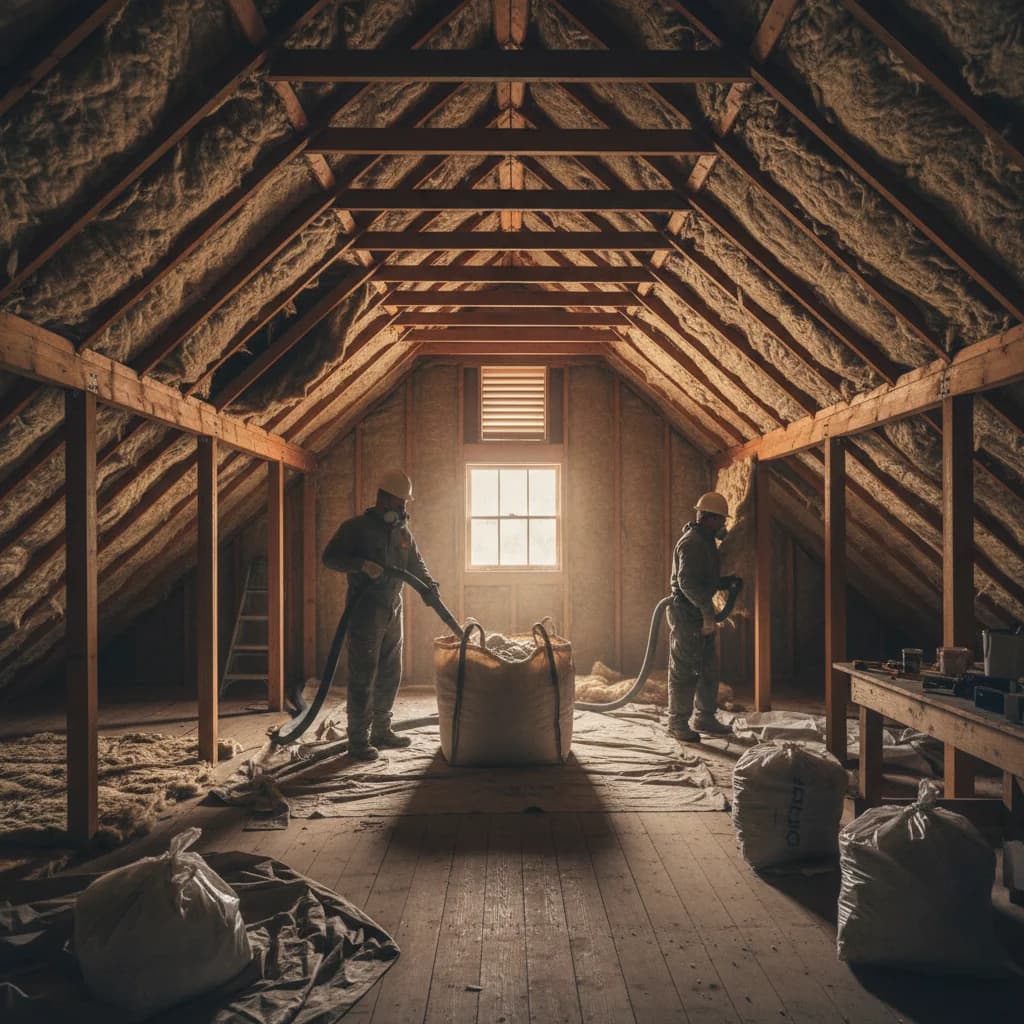
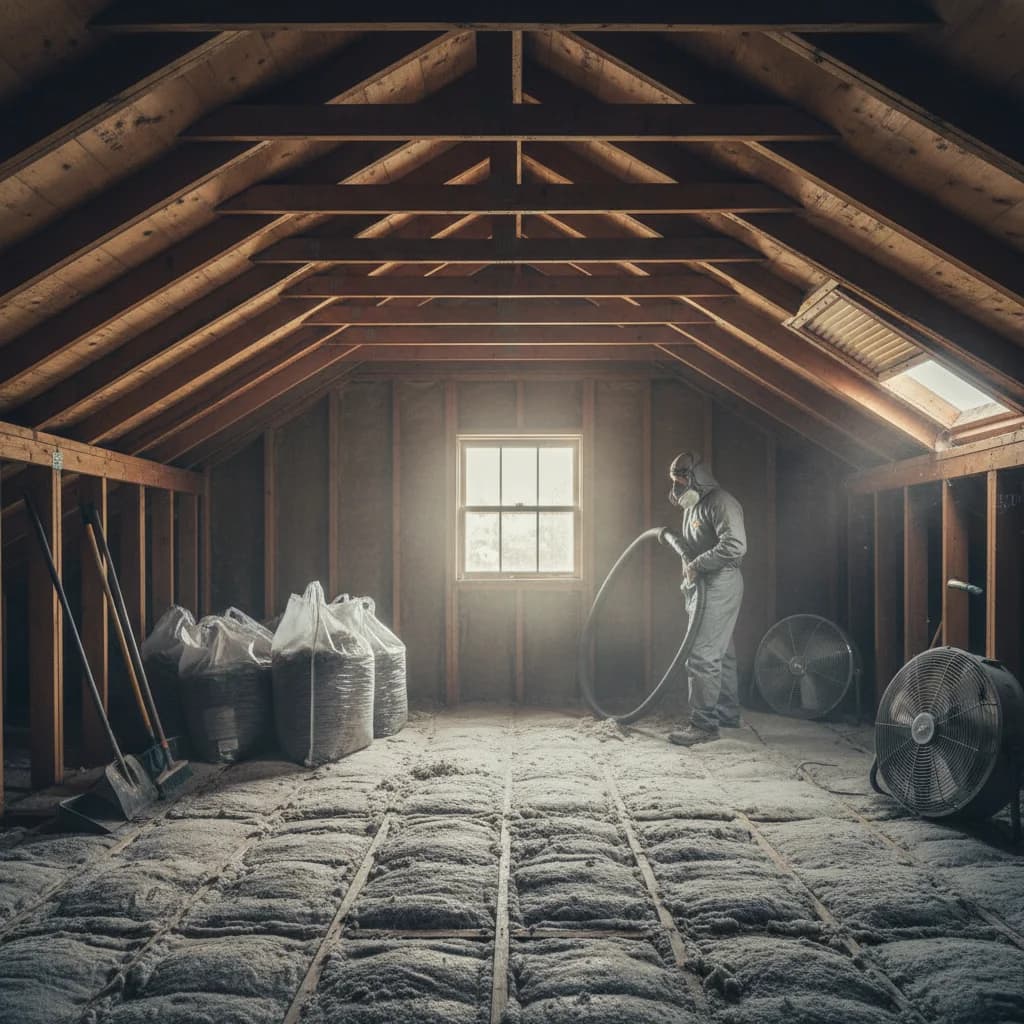
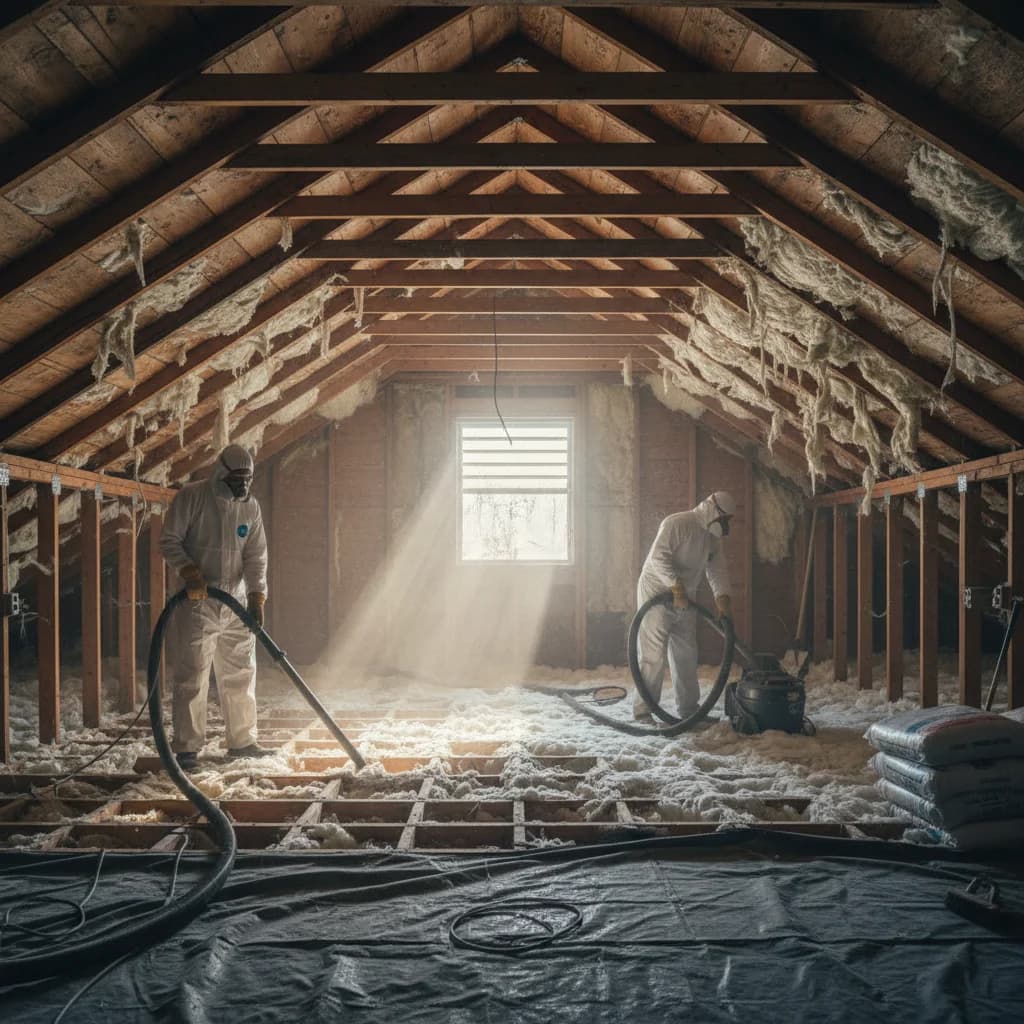
This means Colorado homeowners need to aim higher than the minimum R-value recommendations for their climate zone. While Zone 5 calls for R-49 to R-60 in attic floors, erring toward the upper end of that range compensates for the altitude effect and provides a meaningful buffer against Colorado's temperature extremes. When planning an insulation replacement, discuss altitude-adjusted R-values with your contractor rather than relying on generic national guidelines. Blown-in fiberglass installed at 16-18 inches of depth is a common target for Front Range homes seeking reliable performance through Colorado winters.
Snow Loads and Ice Dam Risks
Colorado's snowfall patterns are unlike most other states. The Front Range can receive 50-70 inches of snow annually, but much of it arrives in heavy, wet spring storms rather than the steady light snowfalls common in the upper Midwest. A single March or April storm can dump two feet of dense, heavy snow on a roof, creating significant structural stress on attic framing and sheathing.
Ice dams are a persistent concern along the Front Range because of Colorado's dramatic freeze-thaw cycles. Daytime temperatures often climb into the 50s or 60s even in January, melting snow on sun-exposed roof surfaces, while nighttime lows drop well below freezing. Water that flows toward the eaves during the day refreezes at night, building up ice ridges that trap additional meltwater. That trapped water backs up under shingles and seeps into the attic, soaking insulation and damaging framing. Proper attic ventilation and thorough air sealing are the primary defenses against ice dams. When the attic floor is sealed and insulated effectively, less heat escapes through the roof, reducing the uneven melting that starts the ice dam cycle.
Dry Climate Moisture Dynamics
Colorado's exterior humidity often drops below 20 percent in winter, making it one of the driest inhabited climates in the country. Homeowners respond by running humidifiers to keep indoor air comfortable, typically targeting 30-40 percent relative humidity. This creates a significant vapor pressure difference between the warm, humidified interior and the cold, dry attic space above.
Moisture-laden interior air naturally seeks to move toward drier areas, and every gap in the attic floor becomes a pathway for humid air to enter the attic. Once that warm, moist air hits cold roof sheathing or rafters, it condenses — creating localized moisture problems in an otherwise arid environment. The result is a paradox: attic moisture damage in one of the driest states in the country. Condensation on nail tips, frost on sheathing, and damp patches on insulation are telltale signs of this vapor drive issue. The solution is aggressive air sealing of the attic floor combined with adequate ventilation to flush any moisture that does enter. In Aurora, where newer construction sometimes features tighter building envelopes, the vapor pressure differential can be even more pronounced if mechanical ventilation is insufficient.
Wildfire Smoke Infiltration
Colorado's wildfire seasons have grown more intense over the past two decades, and smoke from both in-state and regional fires regularly blankets the Front Range for days or weeks at a time. Attic spaces are particularly vulnerable to smoke infiltration because they are connected to the outdoors through soffit vents, ridge vents, and gable vents — all designed to allow air circulation.
Fine particulate matter from wildfire smoke can settle on insulation, embed in fiberglass fibers, and leave a persistent smoky odor that migrates into the living space below. Homeowners who notice lingering smoke smells after fire season often trace the problem to contaminated attic insulation. While standard ventilation is necessary for moisture management and cannot be permanently sealed, temporary measures during active smoke events — such as covering intake vents with furnace filter material — can reduce particulate infiltration. After particularly severe smoke seasons, having your attic inspected for contamination and odor is a worthwhile step. In extreme cases, insulation removal and replacement may be the only way to eliminate embedded smoke residue.
Colorado Energy Efficiency Programs and R-Value Guidance
Colorado offers several programs that help offset the cost of attic energy improvements. Xcel Energy, the dominant utility along the Front Range, provides rebates for insulation upgrades and air sealing work performed by participating contractors. These rebates can cover a meaningful portion of project costs when combined with federal tax credits for energy efficiency improvements. Colorado also participates in the Weatherization Assistance Program, which provides free insulation and air sealing services to qualifying low-income households.
For Colorado homeowners evaluating their attic insulation, the target R-values break down by location within the state. The Front Range cities fall in Zone 5, where R-49 to R-60 is recommended. Mountain communities at higher elevations fall in Zones 6 and 7, where R-60 is the minimum recommendation and many energy auditors suggest R-70 or higher given the extreme cold and altitude. Regardless of zone, the single most impactful step is ensuring thorough air sealing before any insulation is installed or upgraded — insulation performs only as well as the air barrier beneath it allows.
Seasonal Timing for Colorado Attic Work
The best time for attic work along the Front Range is late spring through early fall, when attic temperatures are manageable for workers and weather disruptions are least likely to interfere with the project. Scheduling insulation and air sealing work in September or October ensures your attic is prepared before the heating season begins and heavy snow arrives. Spring inspections after snowmelt are equally valuable for identifying any damage from winter ice dams or moisture intrusion that occurred during the cold months. Fall is also the critical window for pest exclusion — sealing entry points before rodents and wildlife seek winter shelter prevents the costly infestations that are common in Colorado homes near open space and foothills areas. Colorado's attic challenges are manageable with the right approach — higher R-values, thorough air sealing, attention to moisture dynamics, and awareness of wildfire impacts all contribute to an attic that performs reliably at elevation.