A leaking roof, a family of raccoons, or a burst pipe can turn your attic from a quiet storage space into a damaged, contaminated zone. When that happens, a surface-level fix isn't enough. True restoration means bringing the entire space back to a clean, safe, energy-efficient condition — addressing not just the visible damage but the underlying issues that caused it. In Austin, where severe storms and active wildlife populations make attic damage a regular occurrence, comprehensive restoration is a better investment than patchwork repairs.
There are 50 attic cleaning companies in Austin with an average rating of 4.7 stars.What Attic Restoration Involves
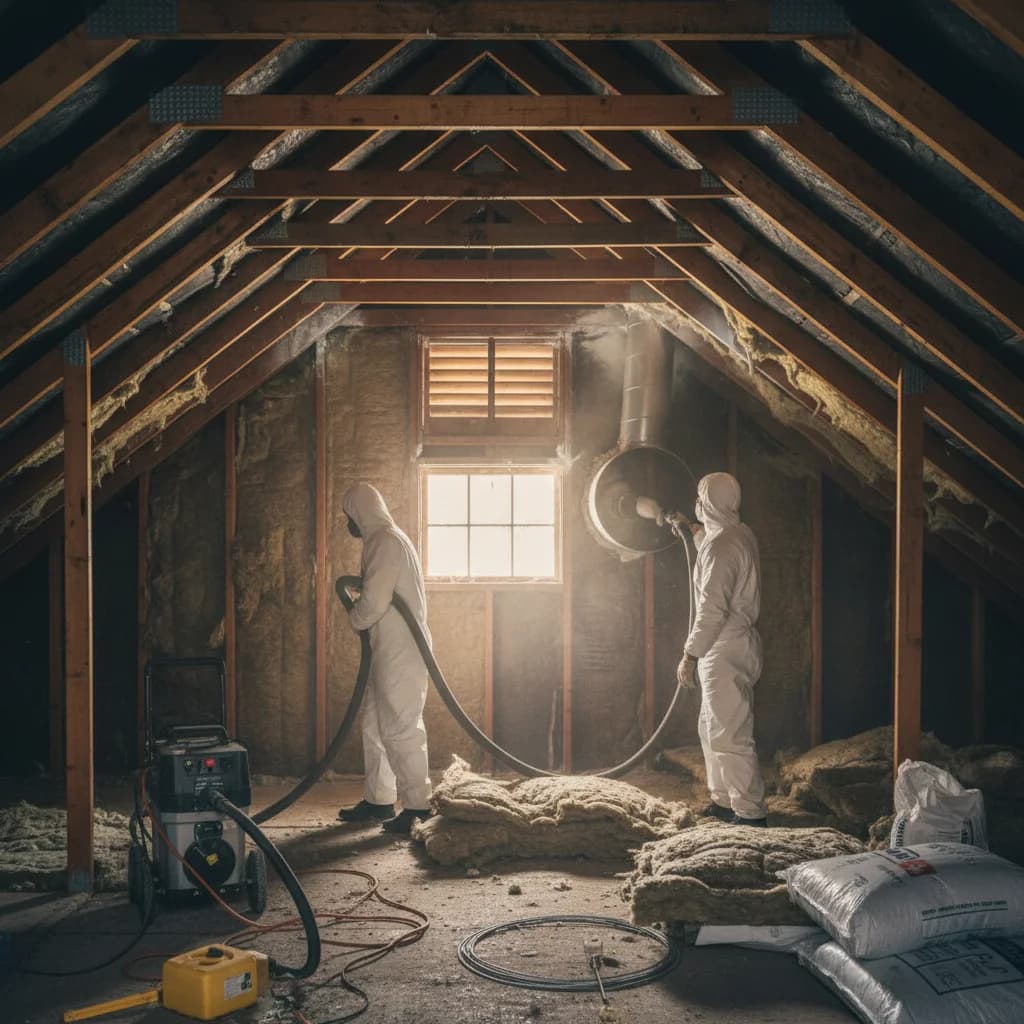
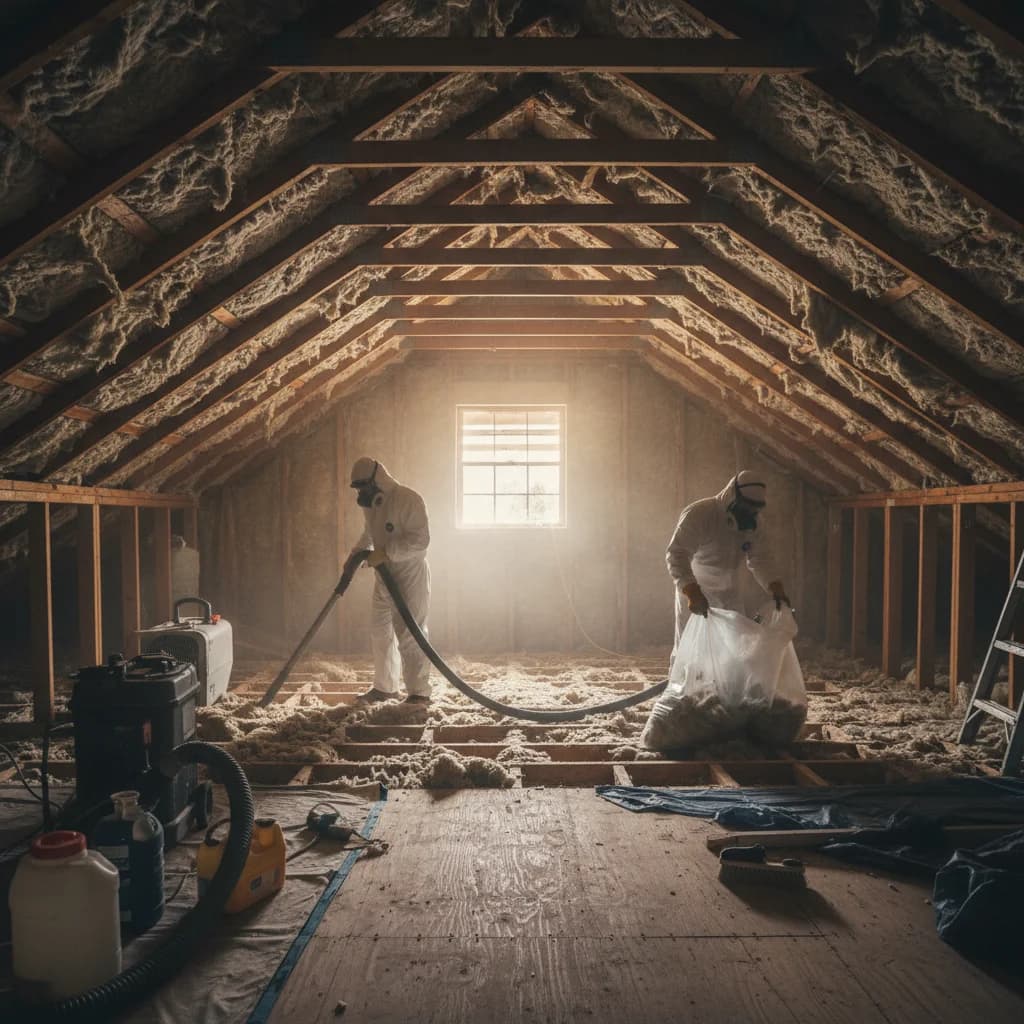
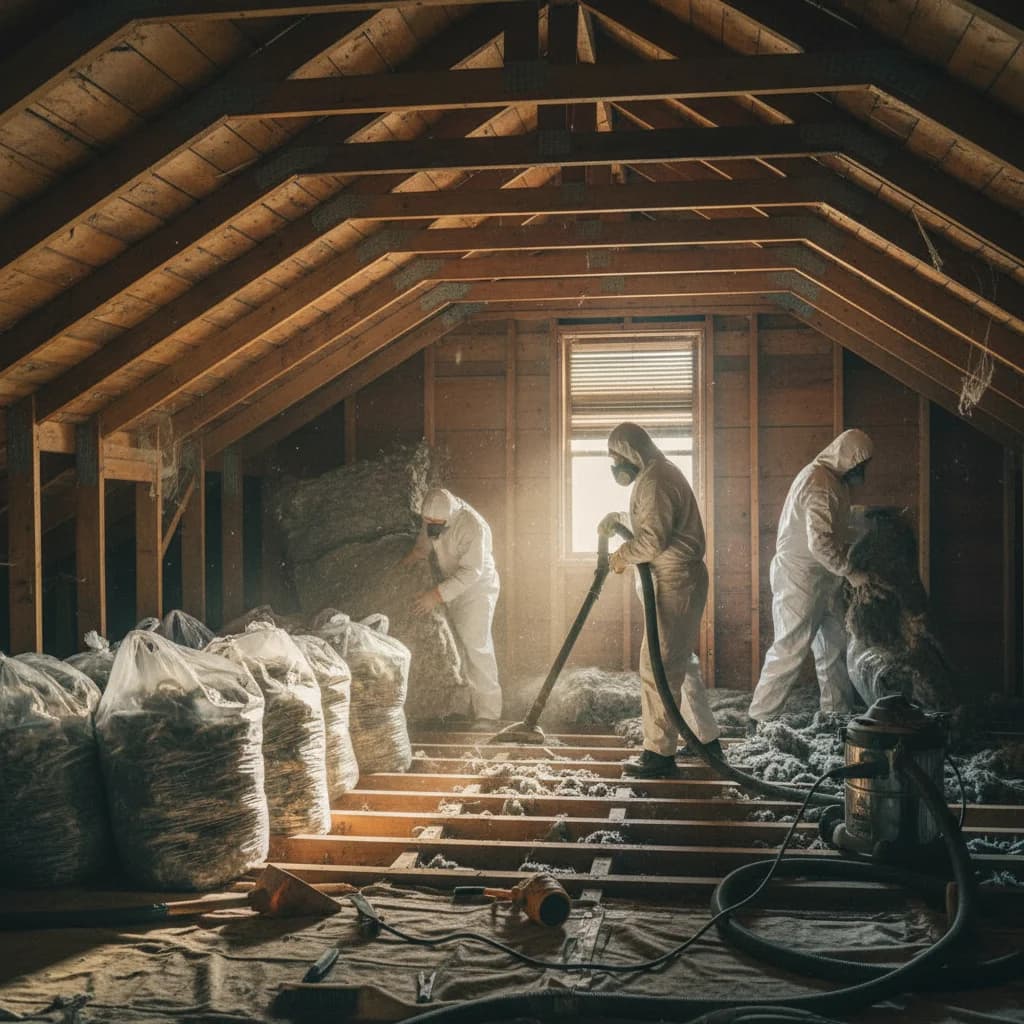
Attic restoration is the most comprehensive service in the attic cleaning industry. While individual services address specific problems — rodent cleanup, mold remediation, insulation replacement — restoration combines everything needed to return the space to like-new condition. A full restoration typically includes:
- Complete removal of contaminated or damaged insulation
- Decontamination and sanitization of all surfaces
- Structural repairs to damaged framing, sheathing, or decking
- Air sealing to prevent conditioned air loss
- New insulation installed to current energy code standards
- Ventilation improvements if the existing system contributed to the problem
The scope depends on the type and extent of damage. Minor pest damage might only require partial insulation replacement and sanitization, while severe water damage from a prolonged roof leak could necessitate wood replacement and mold remediation before any new insulation goes in.
Restoring After Pest Damage
Animal infestations are one of the most common reasons homeowners need attic restoration. Rodents, raccoons, squirrels, and bats can cause extensive damage over time:
- Insulation damage — Animals tear, compress, and contaminate insulation, reducing its R-value and creating health hazards
- Wiring damage — Rodents chew through electrical wiring, creating fire risks that should be assessed by an electrician
- Structural damage — Larger animals like raccoons can damage framing, ductwork, and plumbing
- Biological contamination — Accumulated droppings, urine, and nesting materials require professional-grade decontamination to eliminate health hazards
In Jacksonville, the warm, humid climate supports year-round pest activity, making regular attic inspections an important preventive measure. The longer pest damage goes unaddressed, the more it compounds — contaminated insulation promotes mold growth, chewed wiring increases fire risk, and structural damage worsens with every rain.
Restoring After Water Damage
Water damage in attics comes from several sources — roof leaks, ice dams, condensation from poor ventilation, or plumbing failures. The restoration approach depends on how long the water has been present:
Recent water intrusion (days):
- Remove wet insulation before mold develops
- Dry the space using fans and dehumidifiers
- Repair the water source
- Replace insulation once the area is fully dry
Prolonged moisture exposure (weeks to months):
- Full insulation removal required
- Mold inspection and likely remediation
- Wood assessment for rot and structural integrity
- Possible sheathing or framing replacement
- Complete re-insulation after all repairs
The longer water sits, the more expensive the restoration. Addressing roof leaks and ventilation issues promptly saves significant money compared to discovering damage months later.
The Restoration Timeline
A complete attic restoration follows a logical sequence that can't be rushed:
- Assessment (Day 1) — Detailed inspection documenting all damage, creating a scope of work and cost estimate
- Insulation removal (Days 2-3) — Clearing the attic to expose the full extent of damage
- Repairs and remediation (Days 3-5) — Structural fixes, mold treatment, pest exclusion, electrical inspection
- Air sealing (Day 5-6) — Sealing penetrations and gaps in the attic floor before new insulation
- Insulation installation (Days 6-7) — Fresh insulation to current code standards
- Final inspection (Day 7) — Verification that all work meets quality standards
Timelines vary based on attic size and damage severity. Simple restorations can wrap up in 2-3 days, while complex projects may take two weeks.
Choosing a Restoration Company
For homeowners in Charlotte and similar markets, selecting the right restoration company is critical. Look for these qualifications:
- Multi-service capability — Companies that handle insulation, pest exclusion, decontamination, and repairs in-house deliver better coordination than juggling multiple contractors
- Proper licensing and insurance — Verify state and local contractor licenses plus general liability and workers' compensation coverage
- Written scope of work — A detailed written proposal protects both parties and ensures nothing gets overlooked
- Warranty on exclusion — Reputable companies guarantee their pest exclusion work for at least one year
Get at least three quotes and compare not just pricing but the thoroughness of each company's proposed scope of work. Ask each company to walk you through their process step by step, explain which services are included versus add-ons, and provide references from similar restoration projects. If the damage resulted from a storm, sudden pipe failure, or other covered event, your homeowner's insurance may cover part of the restoration cost — our guide on filing insurance claims for attic damage explains the documentation and process involved.